GLP-1 analogues
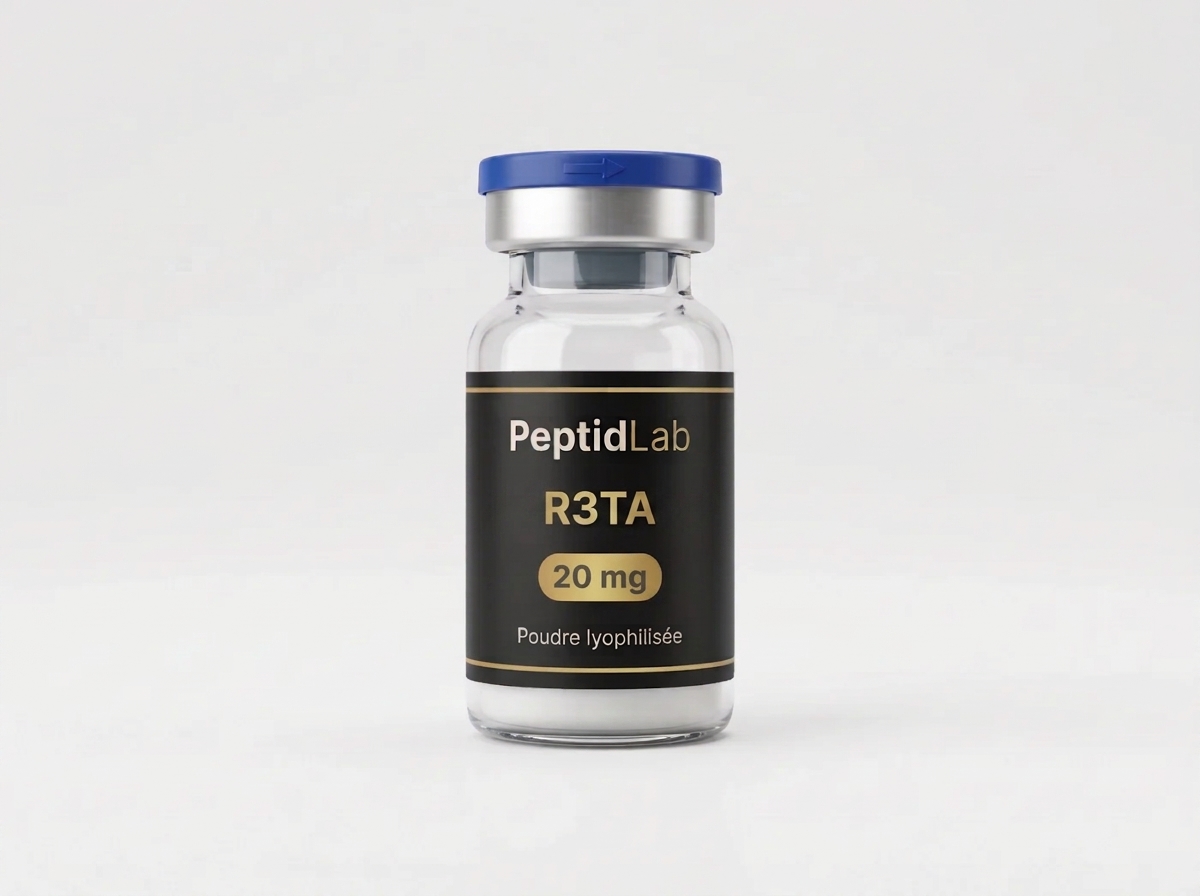
R3TA
6 dosages · 10 mg to 60 mg
5.0 (3 reviews)
In stock · shipped within 24 h
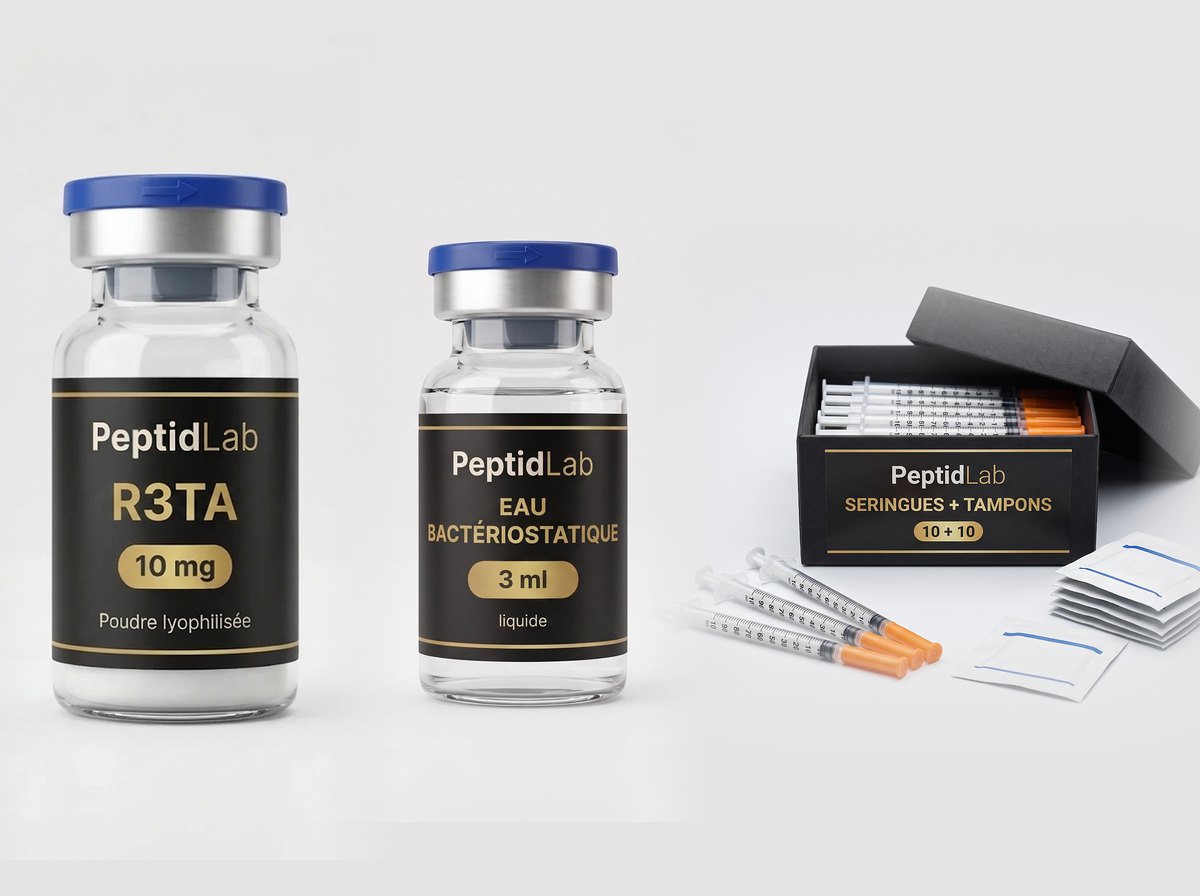
Free kit from €99.99 : bacteriostatic water + 10 syringes + 10 swabs
From 49,99 €
GLP-1 analogues
Peptides from the incretin family, at the heart of research on metabolism, appetite and weight.
13 products
GLP-1 analogues
6 dosages · 10 mg to 60 mg
5.0 (3 reviews)
In stock · shipped within 24 h
Free kit from €99.99 : bacteriostatic water + 10 syringes + 10 swabs
From 49,99 €
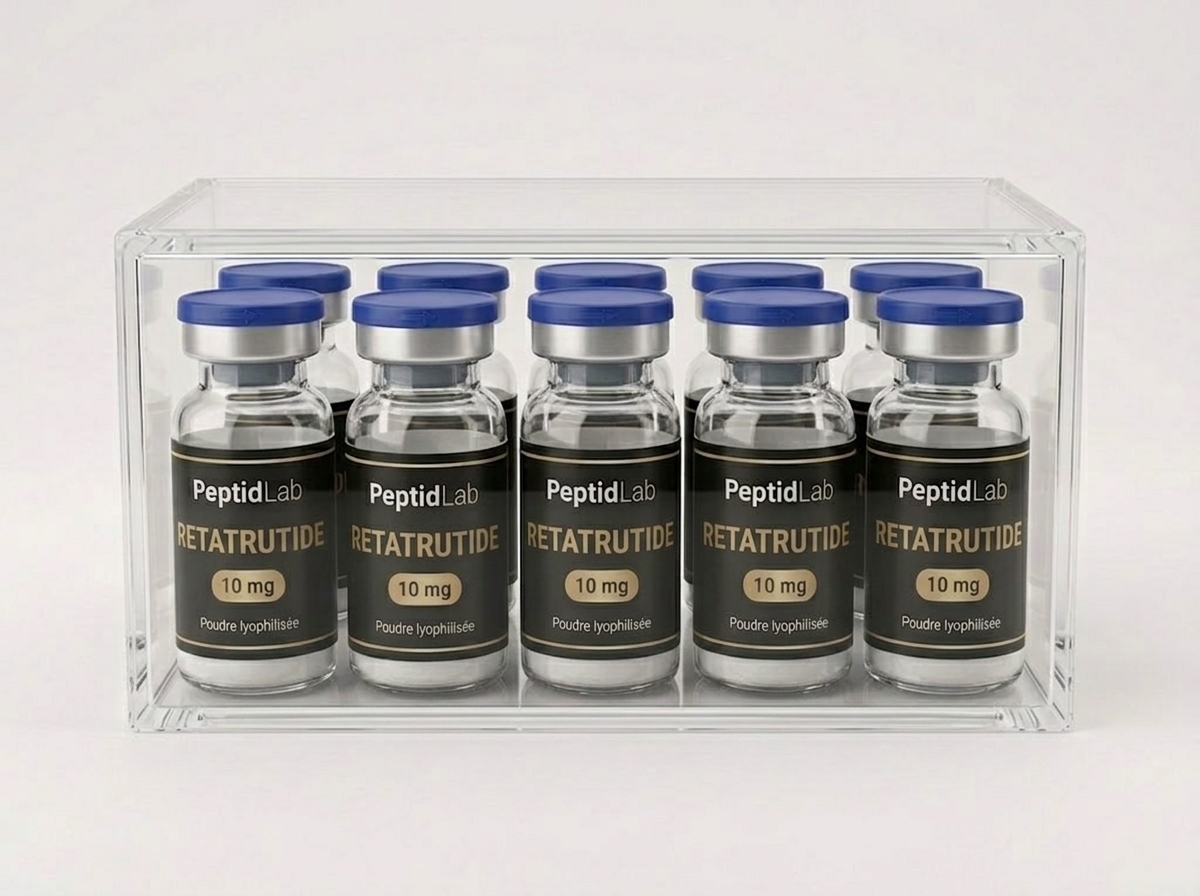
Box of 10
Box of 10 vials 10 mg · 40,00 € per vial
In stock · shipped within 24 h
399,99 €
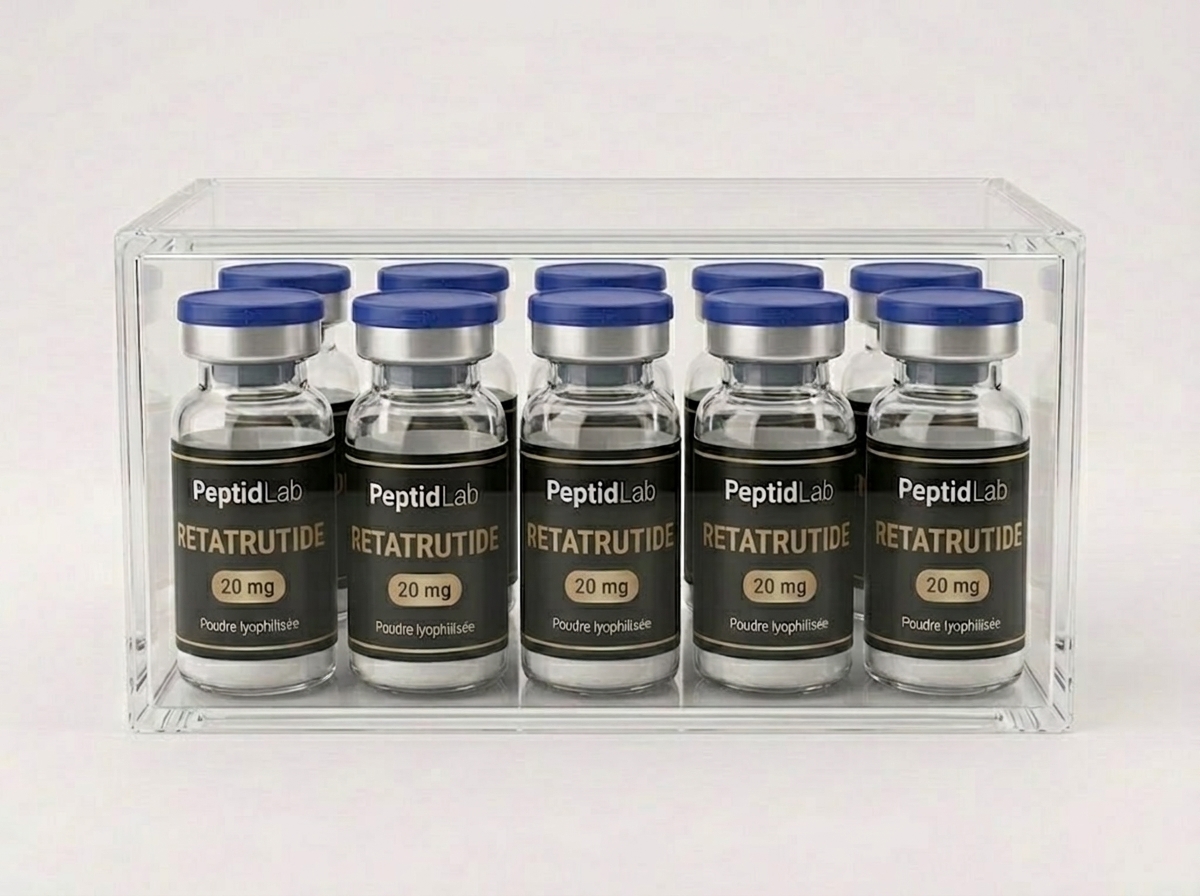
Box of 10
Box of 10 vials 20 mg · 80,00 € per vial
In stock · shipped within 24 h
799,99 €
GLP-1 analogues
10 mg vial + 3 mL bacteriostatic water + 10 syringes and 10 swabs
In stock · shipped within 24 h
54,99 €
GLP-1 analogues
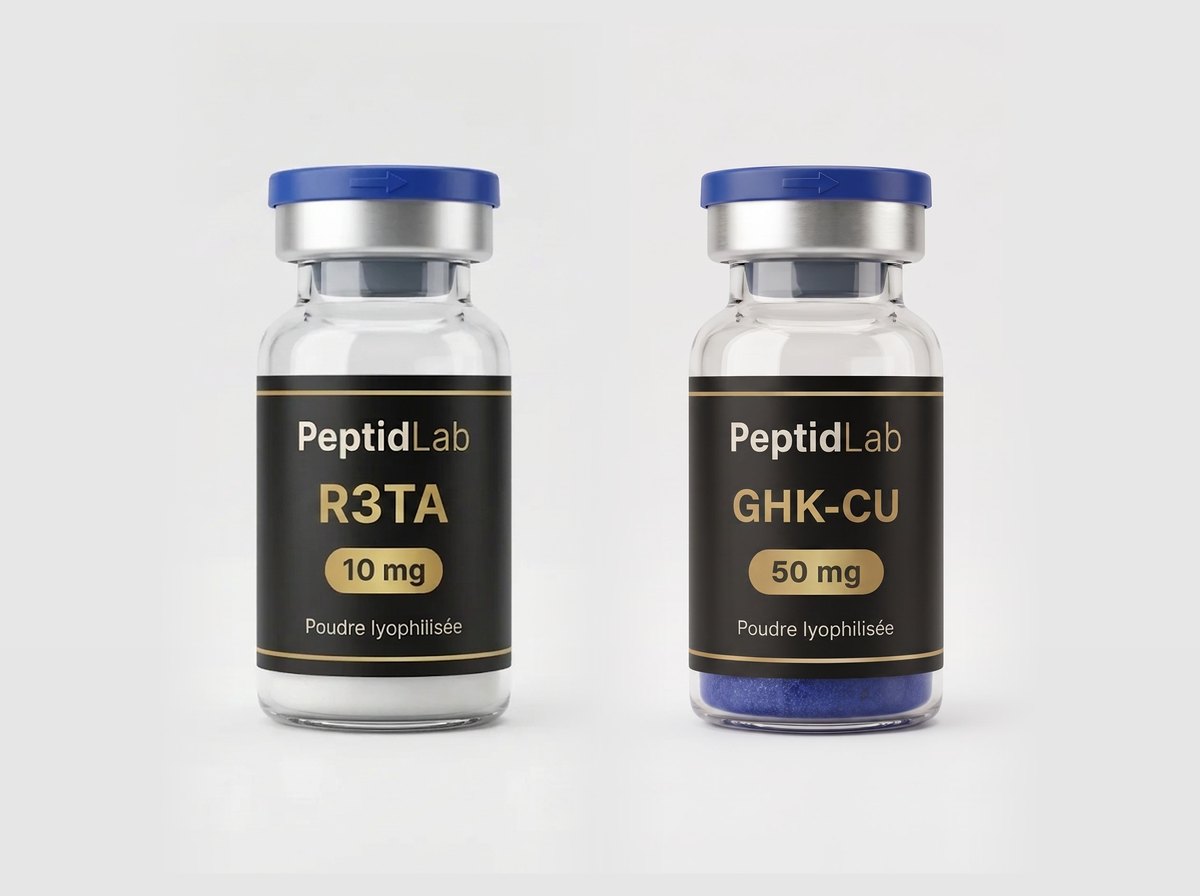
R3TA 10 mg + GHK-Cu 50 mg
In stock · shipped within 24 h
80,79 €
GLP-1 analogues
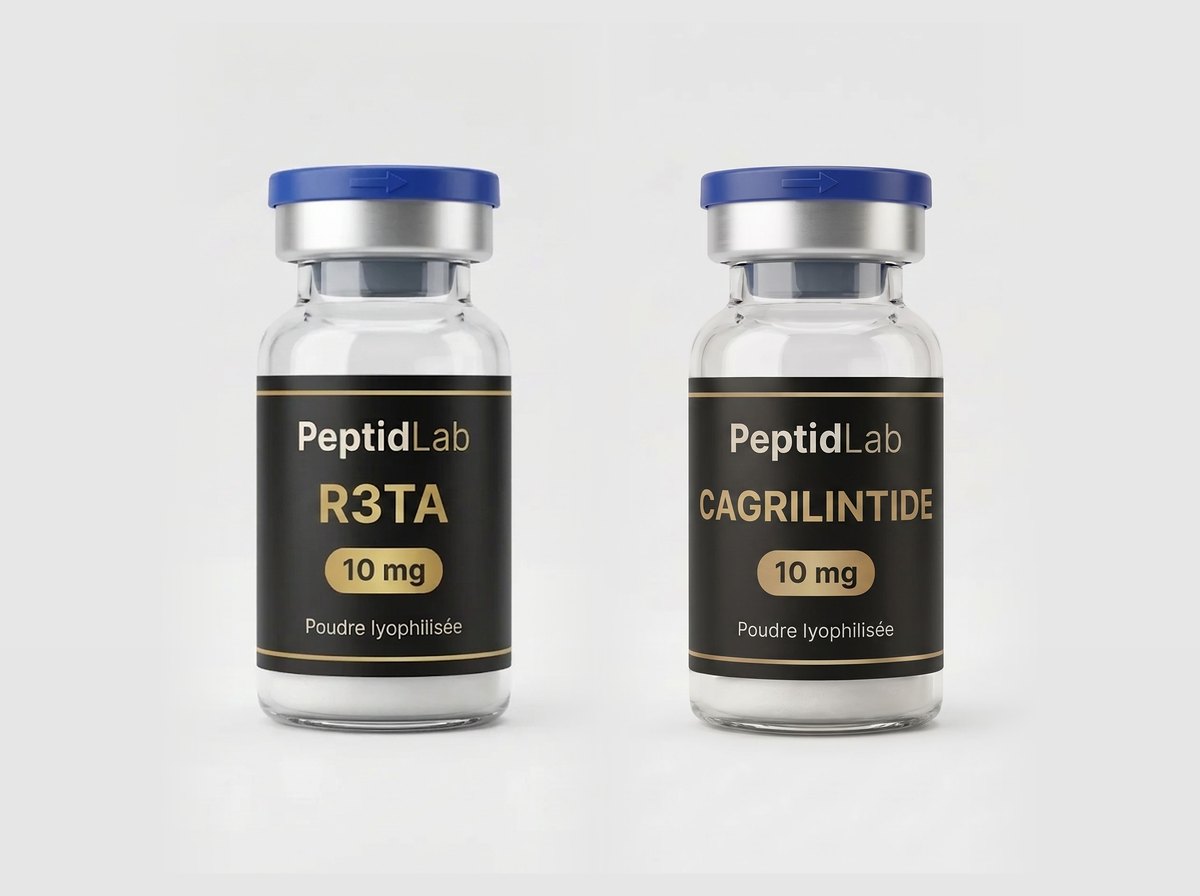
R3TA 10 mg + Cagrilintide 10 mg
In stock · shipped within 24 h
142,49 €
GLP-1 analogues
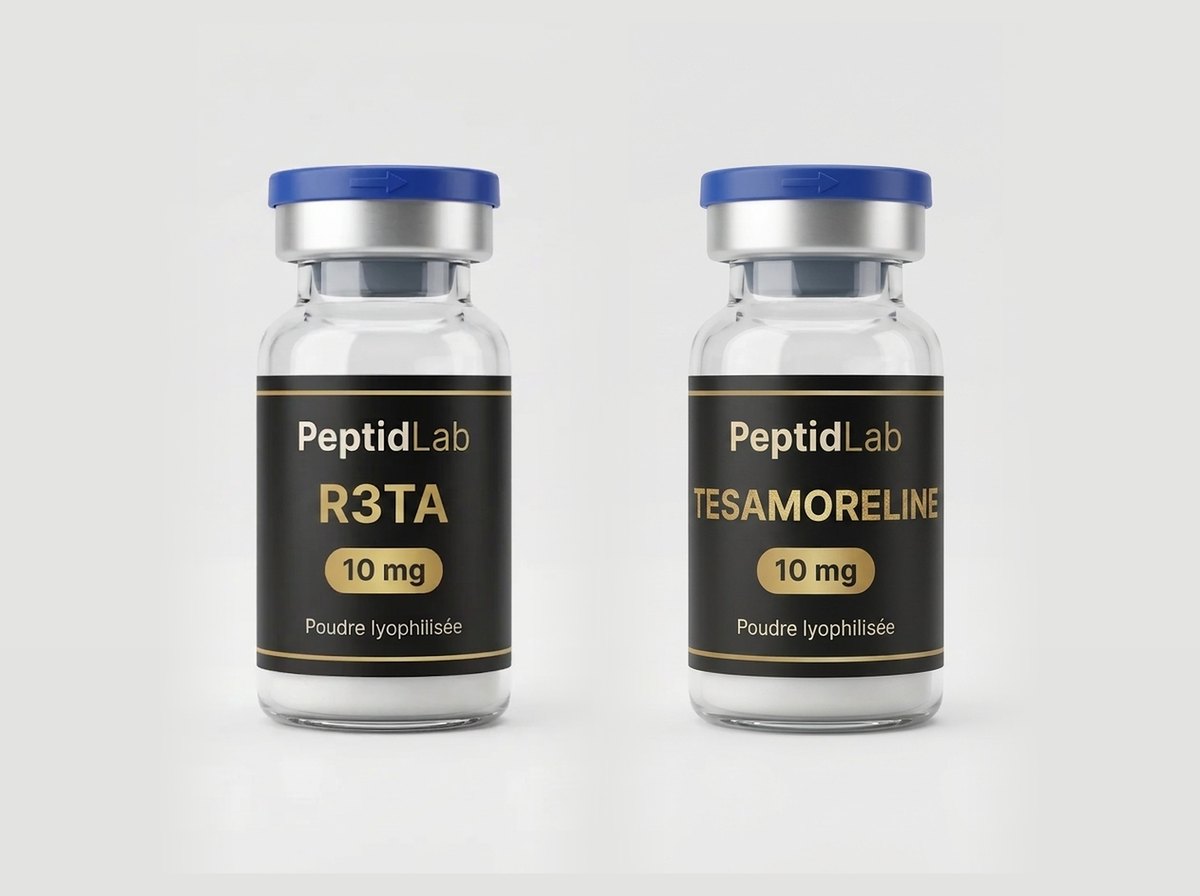
R3TA 10 mg + Tesamoreline 10 mg
In stock · shipped within 24 h
142,49 €
GLP-1 analogues
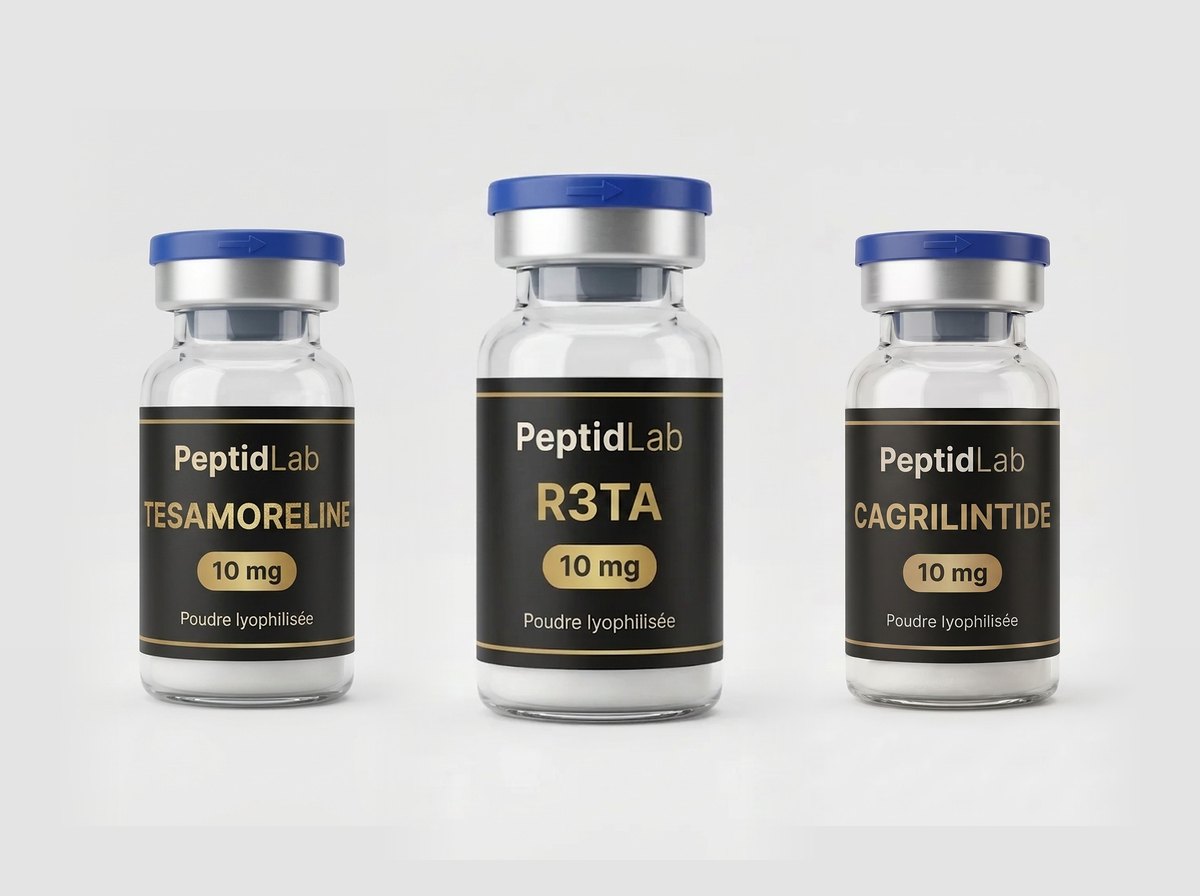
R3TA 10 mg + Tesamoreline 10 mg + Cagrilintide 10 mg
In stock · shipped within 24 h
224,99 €
GLP-1 analogues
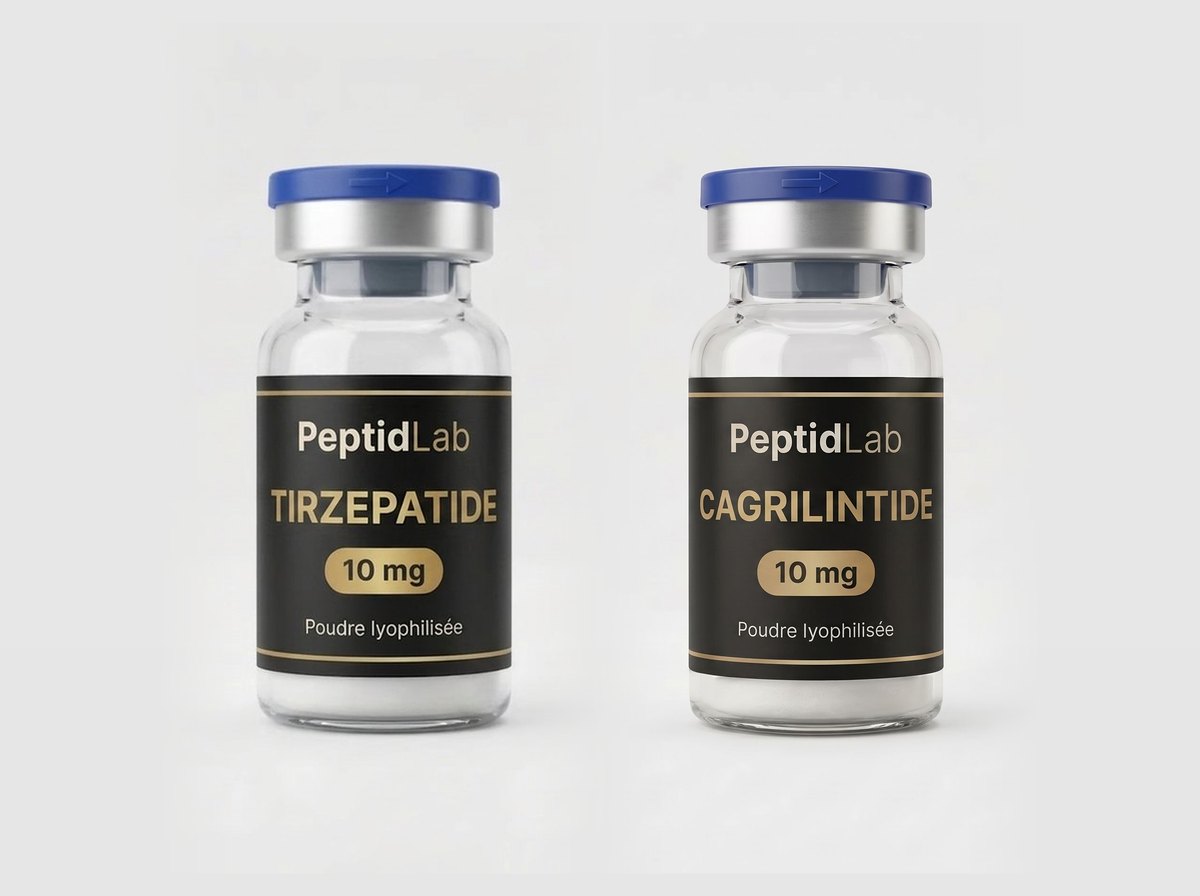
Tirz 10 mg + Cagrilintide 10 mg
In stock · shipped within 24 h
132,99 €
GLP-1 analogues
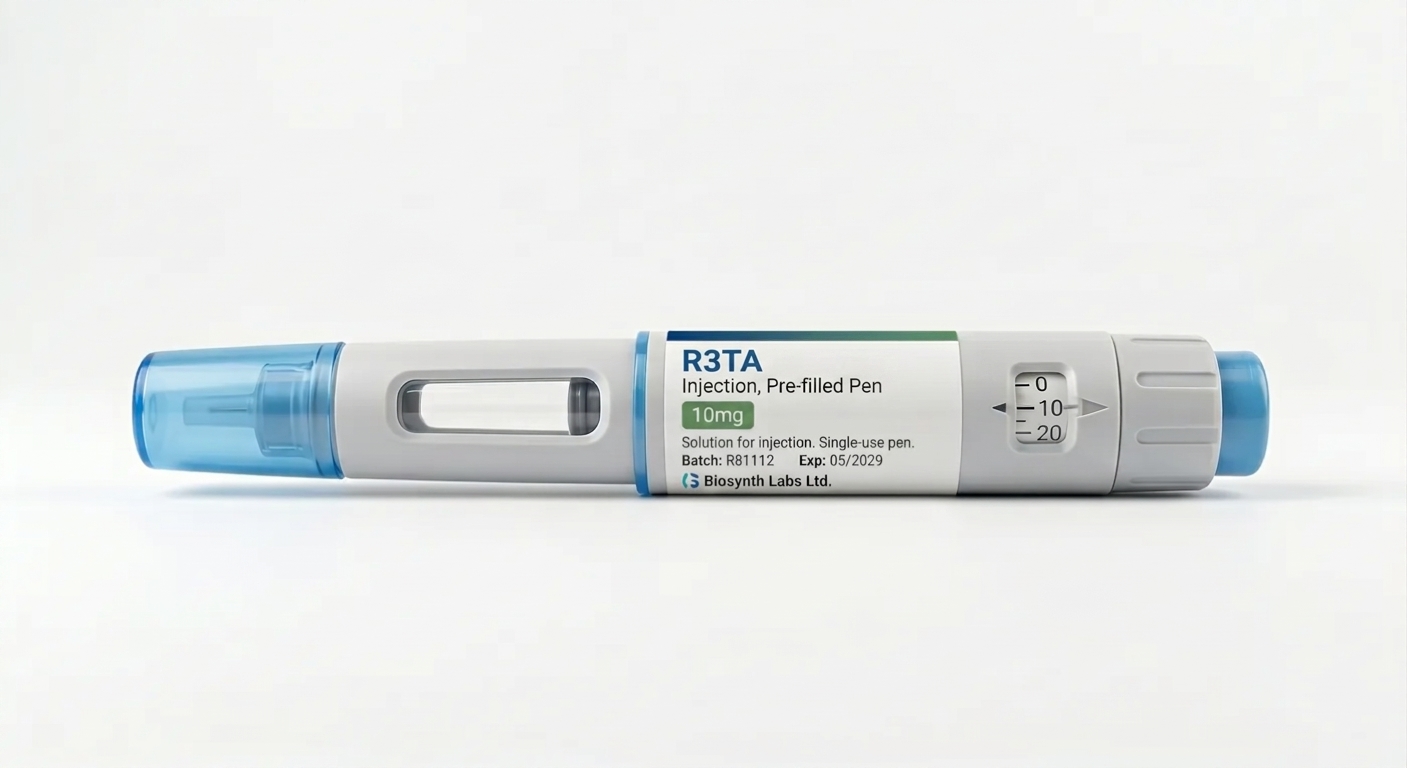
Prefilled pen
5.0 (2 reviews)
In stock · shipped within 24 h
89,99 €
GLP-1 analogues
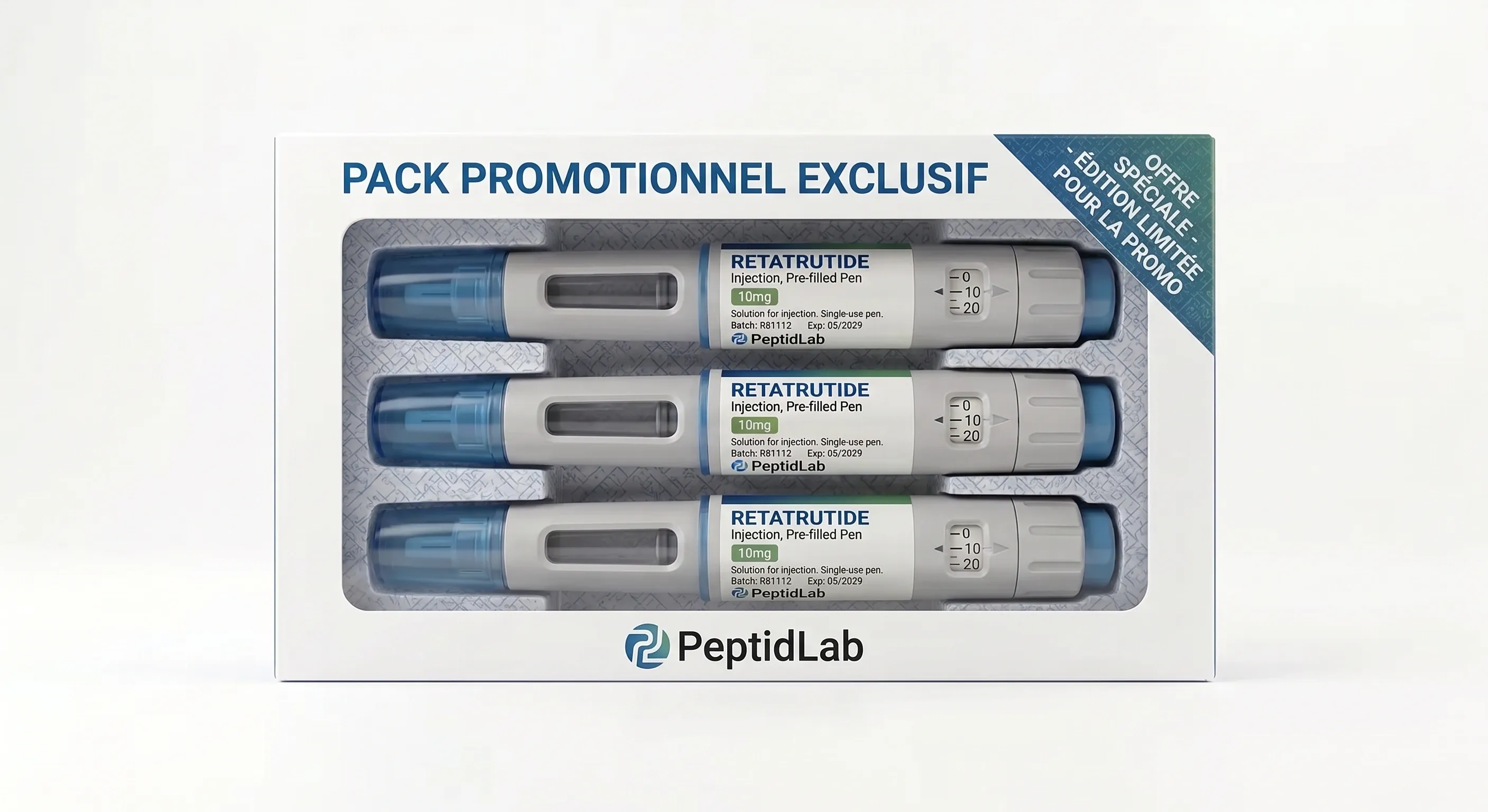
Pack of 3 — 10 mg
In stock · shipped within 24 h
199,99 €
GLP-1 analogues
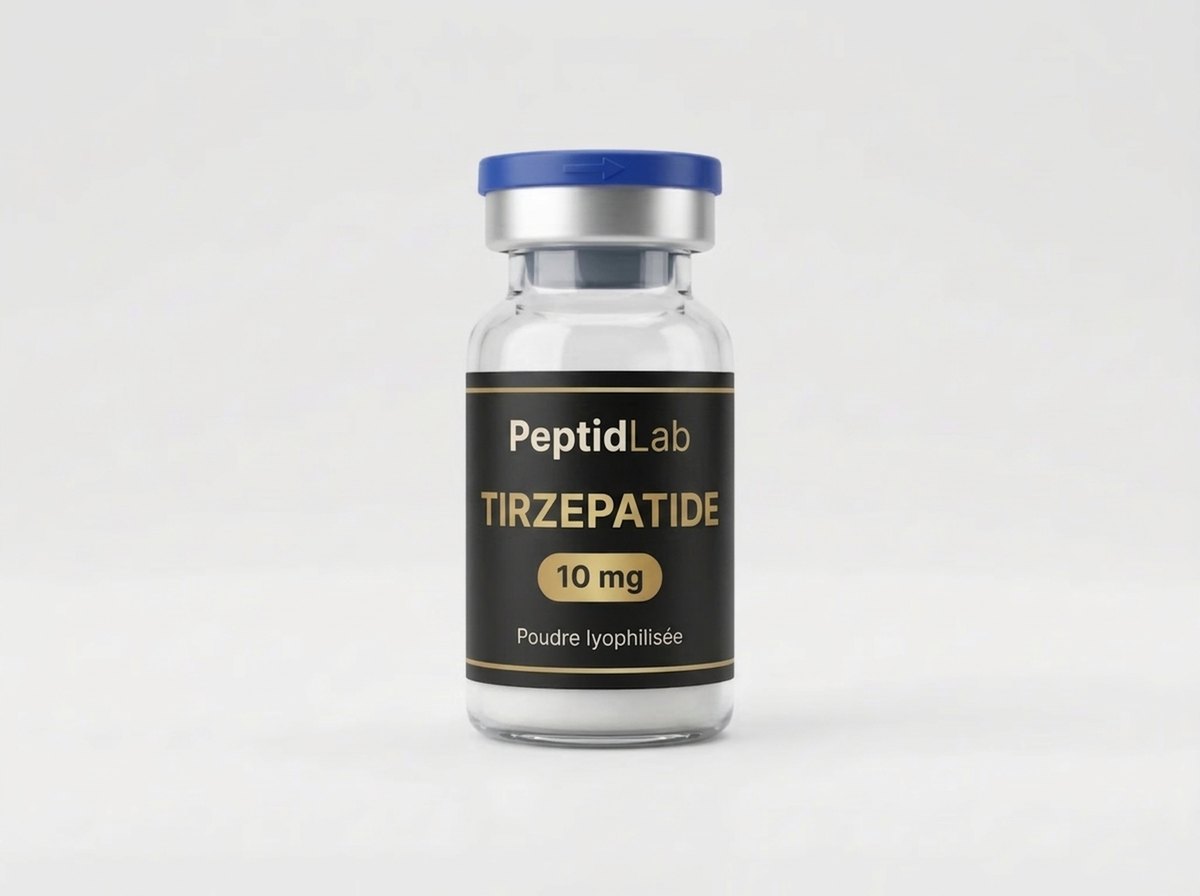
Lyophilized vial 10 mg
In stock · shipped within 24 h
Free kit : bacteriostatic water + 10 syringes + 10 swabs
99,99 €
Weight management
3 strengths · 10 mg to 30 mg
In stock · shipped within 24 h
From 39,99 €
GLP-1 (glucagon-like peptide-1) is an intestinal hormone released after a meal. It stimulates insulin secretion depending on blood sugar levels, slows stomach emptying and contributes to the feeling of satiety. Naturally, it is degraded within minutes.
GLP-1 analogs are synthetic peptides designed to activate the same receptor, with a much longer duration of action. The most recent molecules target several receptors: GLP-1 and GIP for tirzepatide, GLP-1, GIP and glucagon for R3TA.
Because these molecules are studied for their role in regulating appetite, energy expenditure and weight. The expression is highly sought after, but our products remain intended exclusively for scientific laboratory research.
Products intended exclusively for scientific laboratory research. Not intended for human or animal consumption.
GIP (glucose-dependent insulinotropic polypeptide) is, like GLP-1, an intestinal hormone from the incretin family. Double and triple agonists associate it with GLP-1.
Glucagon is involved in energy expenditure and fat metabolism in the liver. This is the third receptor targeted by R3TA.
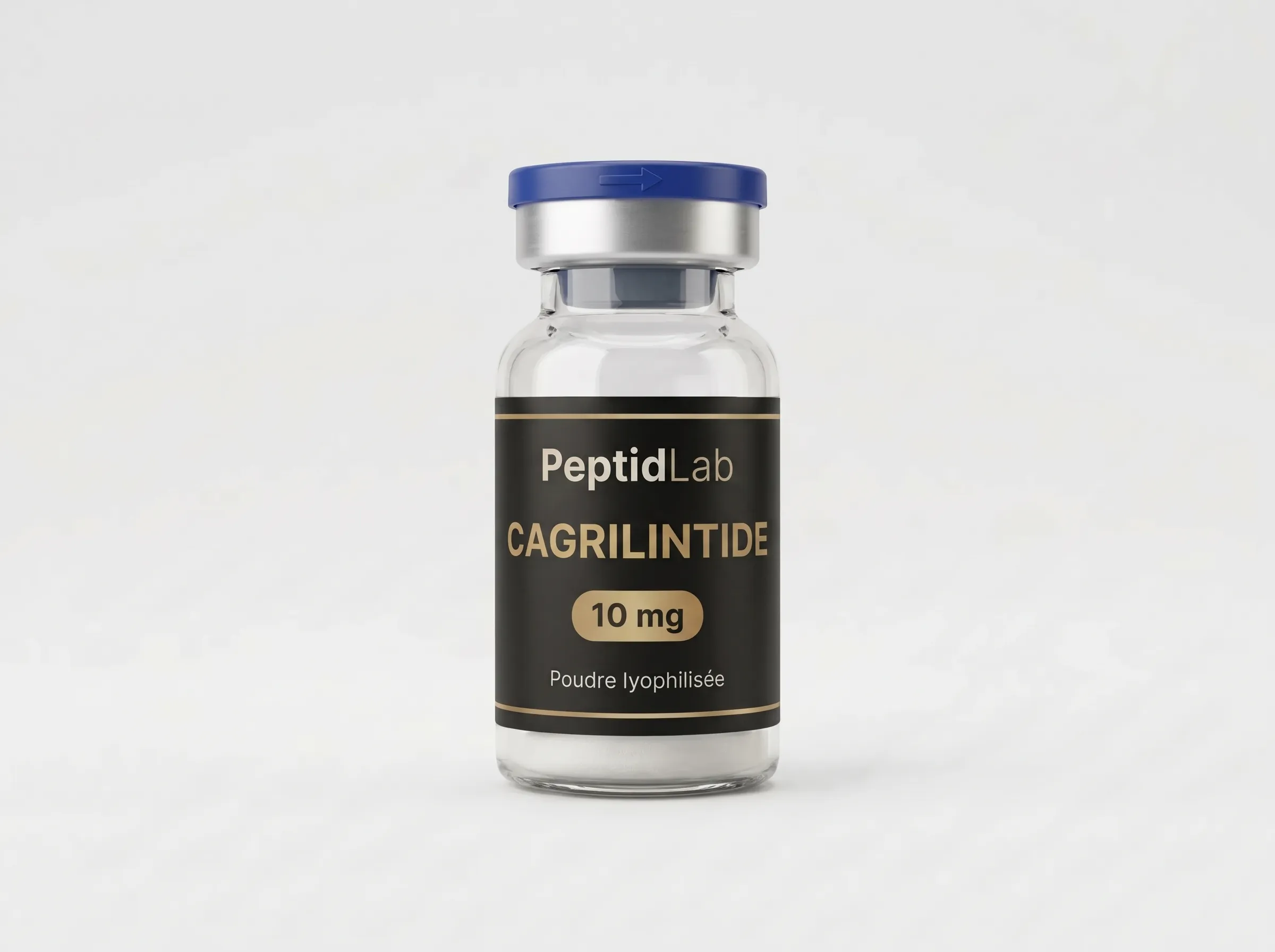
The freeze-dried vial comes in six strengths and offers the best price per milligram. The pre-filled pen contains the peptide already in solution.