Metabolism
Peptides and metabolism
Peptides studied for their action on metabolic regulation and body composition.
8 products
-
Metabolism
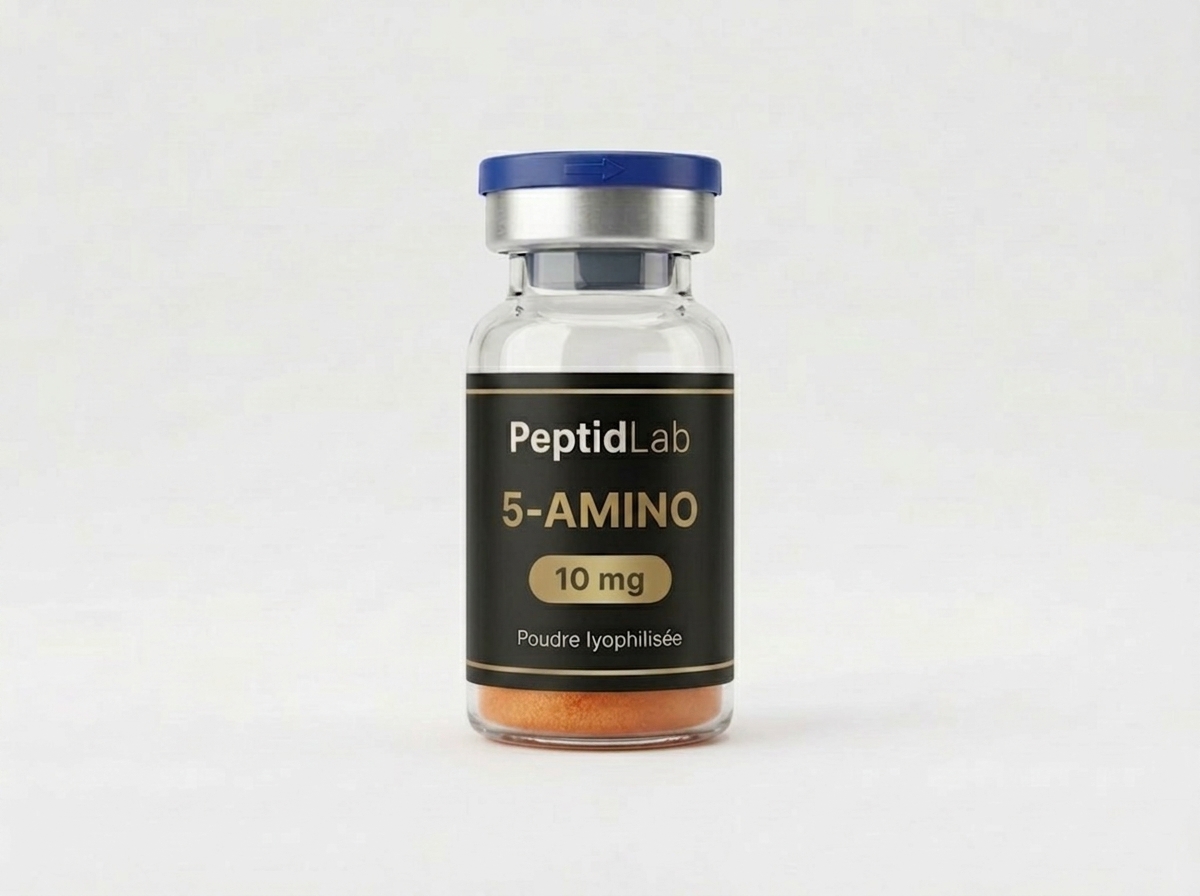
5-Amino-1MQ
3 strengths · 5 mg to 50 mg
In stock · shipped within 24 h
ChooseChoose a strengthFrom 39,99 €
- Pack
Metabolism
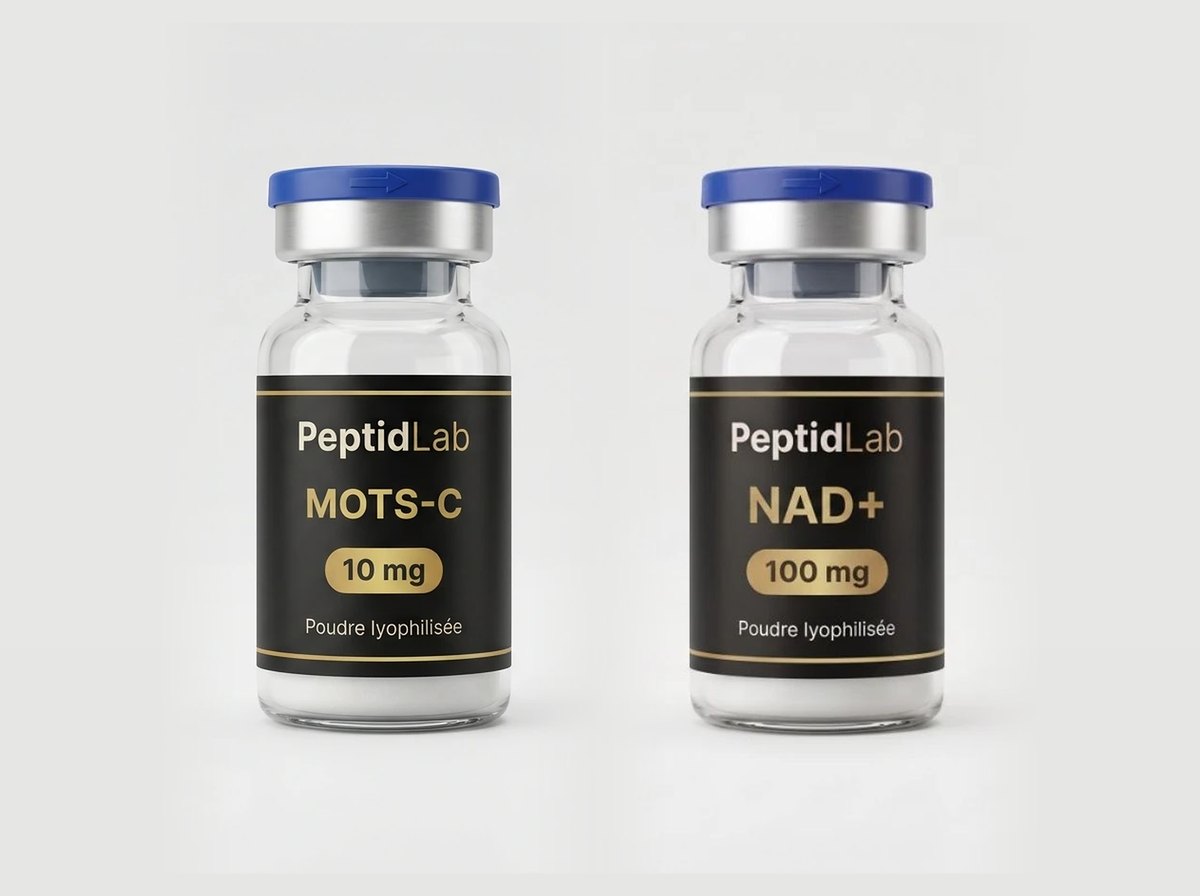
MOTS-c + NAD+ Pack
MOTS-c 10 mg + NAD+ 100 mg
In stock · shipped within 24 h
View View product85,49 €
89,98 € -
Metabolism
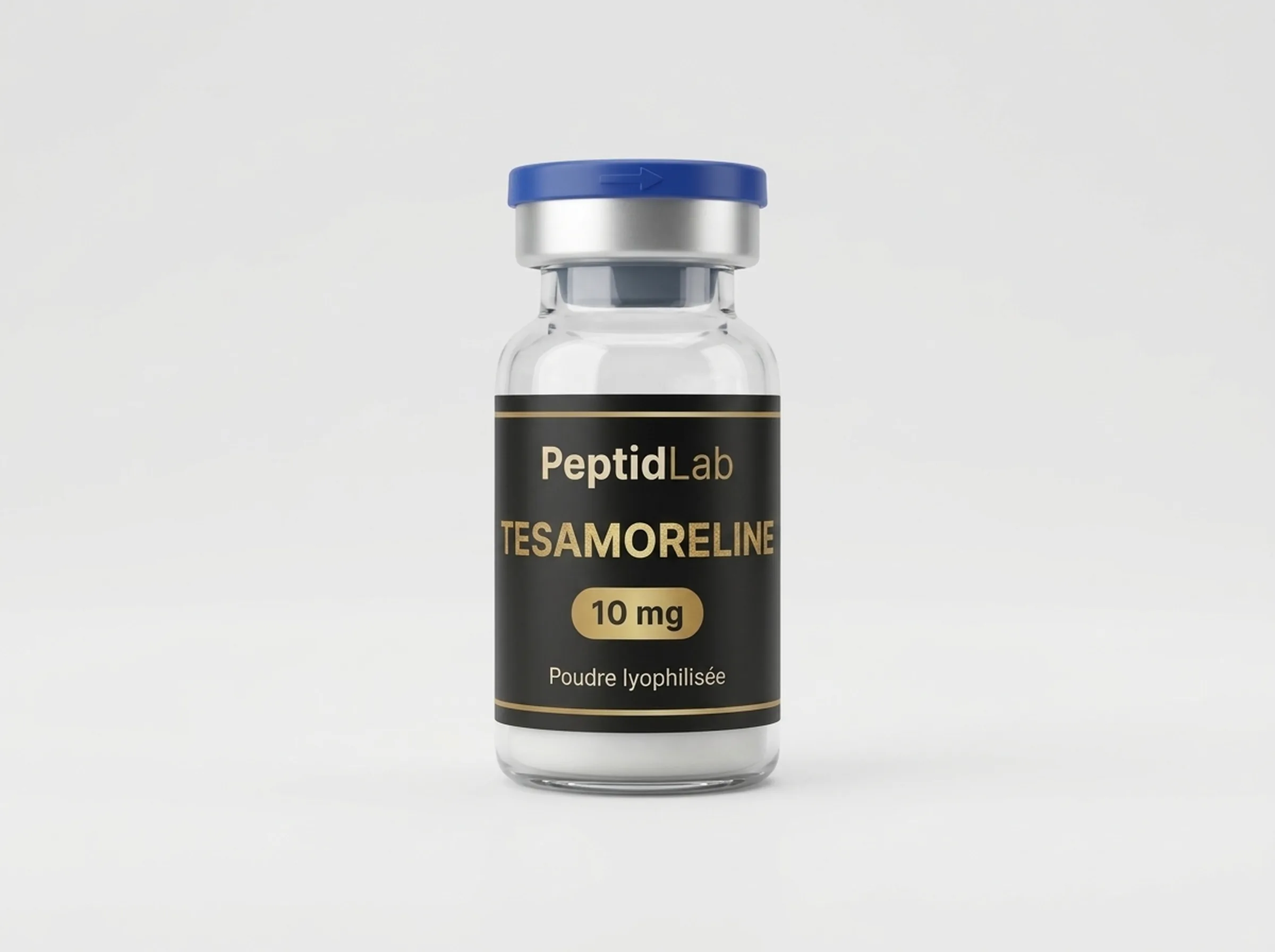
Tesamoreline
Vial or pen · 10 mg
In stock · shipped within 24 h
Free kit from €99.99 : bacteriostatic water + 10 syringes + 10 swabs
Choose Choose a strengthFrom 99,99 €
- New
Metabolism
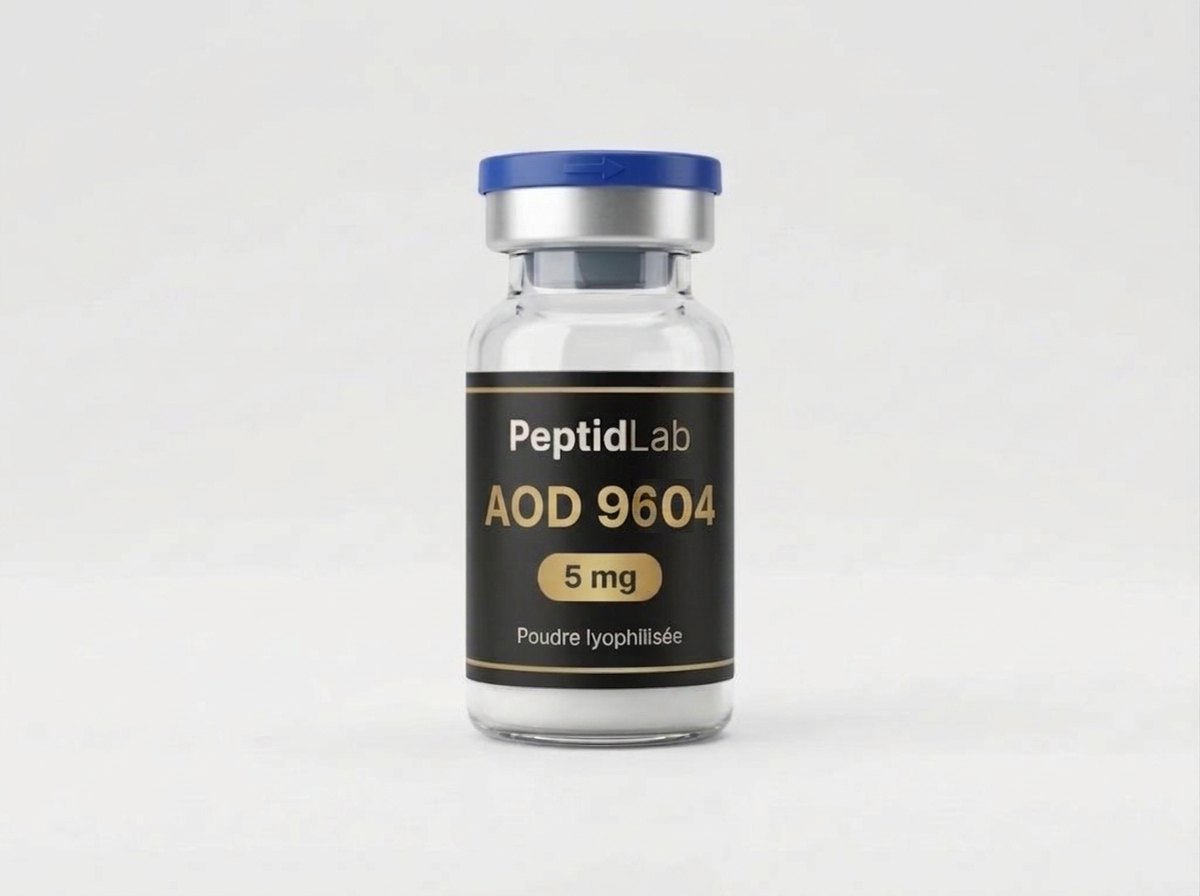
AOD 9604
Lyophilized vial 5 mg
In stock · shipped within 24 h
Free kit : bacteriostatic water + 10 syringes + 10 swabs ViewView product104,99 €
The growth hormone axis
Tesamorelin is a synthetic analogue of GHRH, the hormone that triggers the release of growth hormone. It is studied for its action on body composition, particularly visceral fat.
For energy metabolism, see also MOTS-c, a peptide of mitochondrial origin, and GLP-1 analogues.
What metabolic research studies
Metabolism refers to all the reactions by which a cell produces and expends energy. The peptides studied in this field act at very different levels: some on hormonal receptors in the digestive system, others directly inside the cell, at the level of the mitochondria.
This diversity explains why one metabolic peptide is not comparable to another. MOTS-c, encoded by mitochondrial DNA, is studied for its role in the use of glucose by the cell. Tesamorelin acts on the growth hormone axis and fat distribution. GLP-1 analogues pass through receptors in the digestive system.
Data still mainly preclinical
With the exception of GLP-1 analogues, which have large-scale clinical trials, most of these molecules are based on work carried out on animals or on cell cultures. The results obtained under these conditions do not automatically translate to humans: this is a constant limit of this field of research, and the reason why we do not make any promise of results.
Products intended exclusively for scientific laboratory research. Not intended for human or animal consumption.
Frequently asked questions
What is the difference between tesamorelin and HGH?
HGH is the growth hormone itself. Tesamorelin acts upstream, stimulating its release by the pituitary gland.
Further reading
- Weight loss peptide: what the research saysGLP-1, tirzepatide, R3TA, MOTS-c: peptides studied in metabolism, explained without promise. Read the guide · 5 min
- MOTS-c: the mitochondrial peptide studied in metabolismEncoded by mitochondrial DNA, MOTS-c is studied for its role in energy metabolism. Read the guide · 4 min
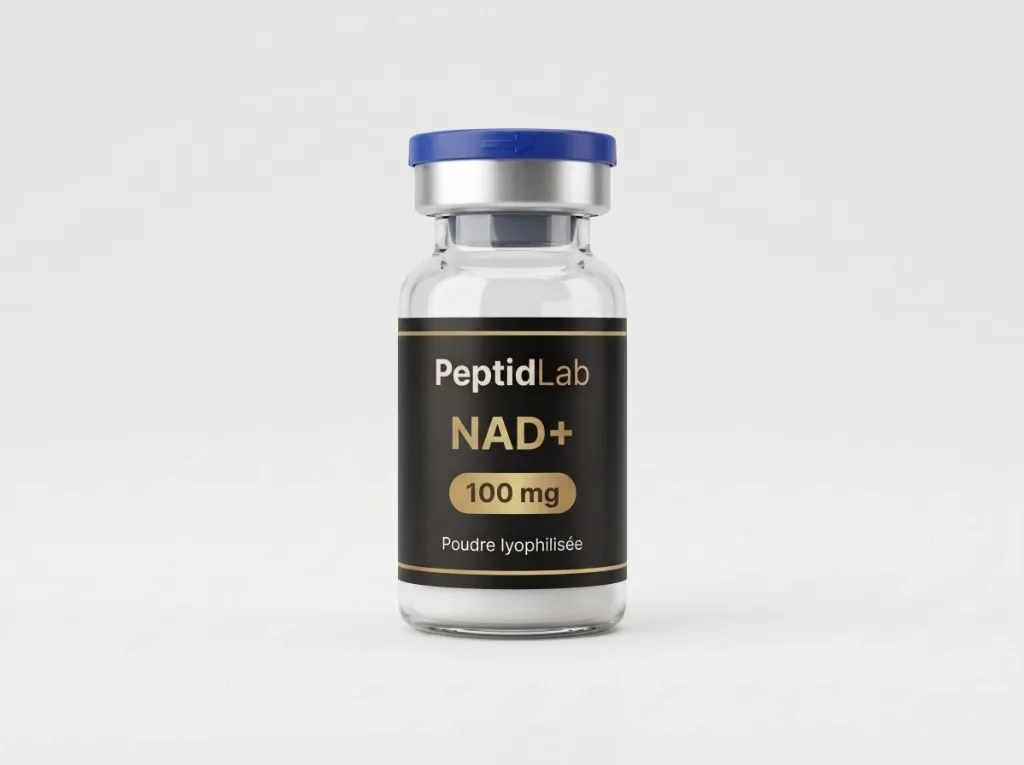
- NAD+: cofactor of energy metabolismIt is not a peptide: NAD+ is the cofactor that cells use to produce energy. Mechanism, sirtuins, research limitations. Read the guide · 5 min
- HGH and tesamorelin: what are the differences?One is growth hormone, the other triggers its release: two levels of action on the same axis. Read the guide · 5 min
Other categories
Order today, shipped within 24 h
- Free delivery from €200.00
- Discreet packaging
- Secure payment