The certificate of analysis (COA, for Certificate of Analysis) is the document which proves the quality of a batch of peptide. You still need to know how to read it. Here are the four elements to check, and the signals that should alert you.
1. Lot identification
A serious certificate indicates at least:
- the exact name of the peptide and its quantity per vial;
- a batch number, identical to that written on the vial;
- the date of the analysis;
- the laboratory which carried out the analyses.
Without a batch number, it is impossible to link the document to the product you have in your hands.
2. Purity, measured by HPLC
The HPLC (high performance liquid chromatography) separates the different compounds in a sample. The result is a chromatogram : a curve where each compound forms a peak.
- The main peak corresponds to the peptide sought.
- The small peaks correspond to impurities, most often incomplete sequences resulting from synthesis.
- The purity is the area of the main peak compared to the total area of the peaks.
A full certificate shows the chromatogram, not just a percentage. At PeptidLab, we require at least 99% purity.
3. Identity, confirmed by mass spectrometry
Purity does not say which peptide is present. This is the role of the mass spectrometry : it measures the mass of the molecules, which is compared to the theoretical mass of the peptide.
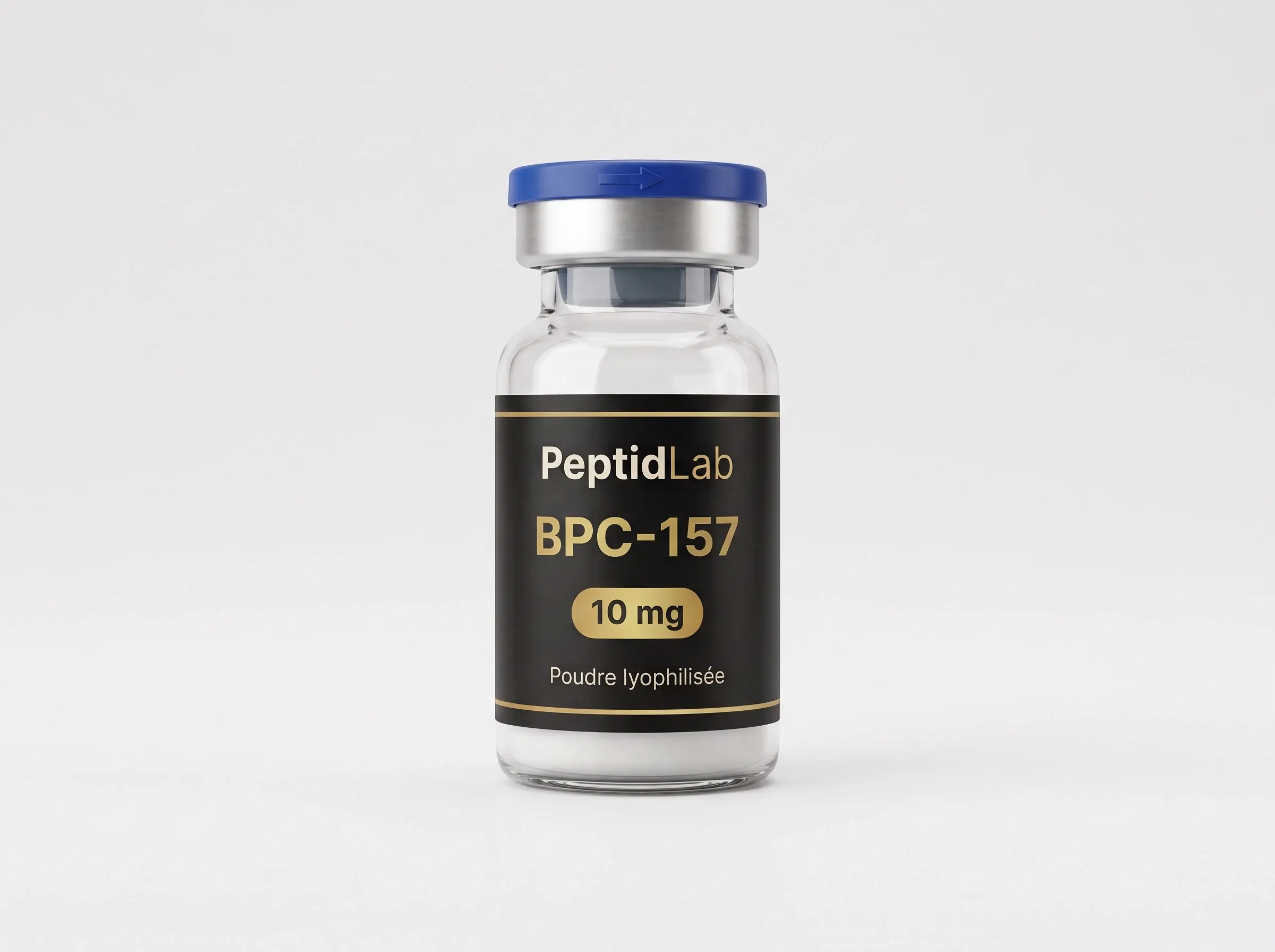
Example with the BPC-157, whose theoretical molar mass is approximately 1419.5 g/mol: depending on the technique, the spectrum can display the charged molecule once (around 1420.5) or twice (around 710.8). If the measured values match, the identity is confirmed.
4. Other useful information
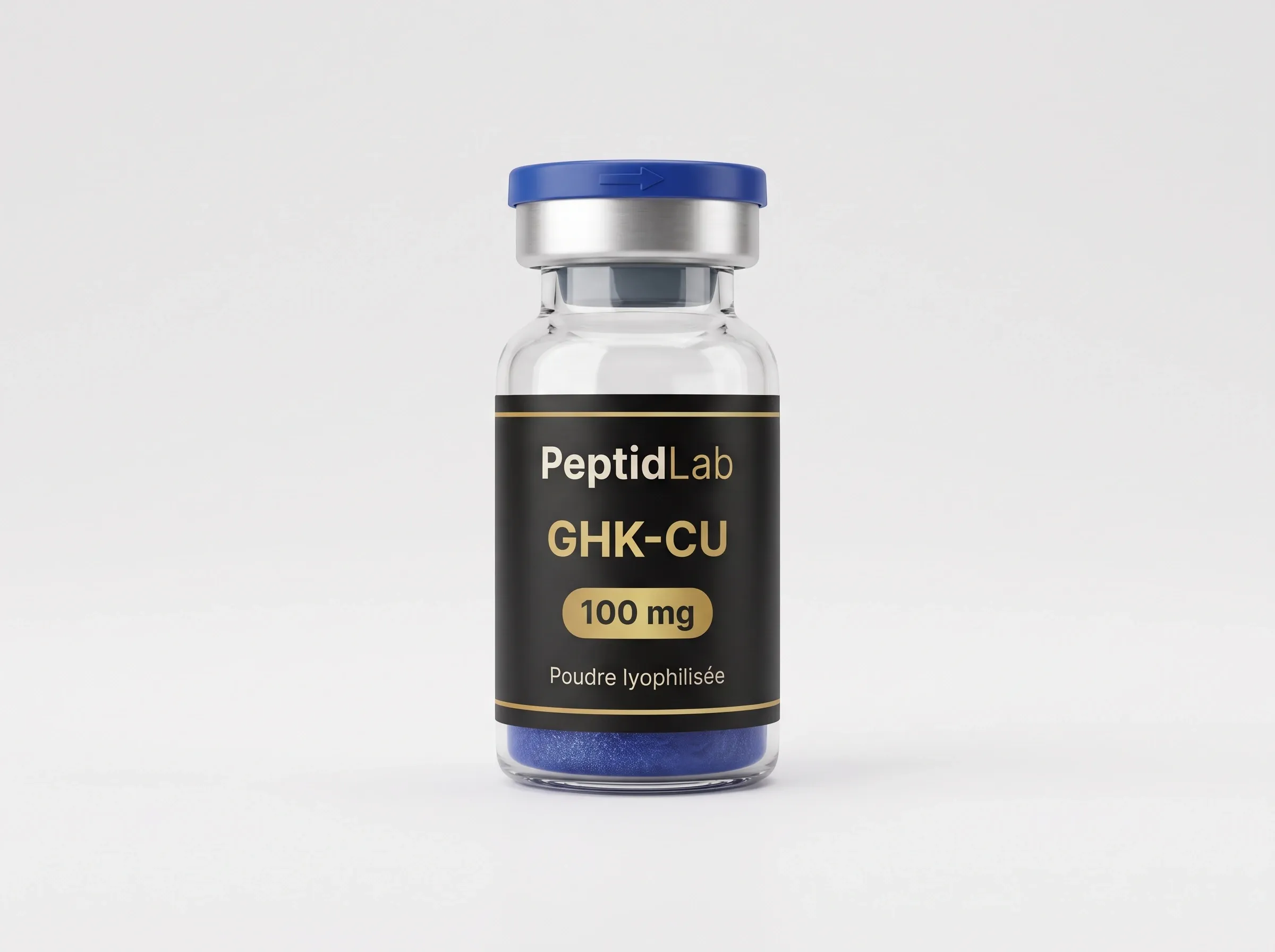
- Appearance : white powder for most peptides, blue for GHK-Cu (because of the copper).
- Water content : the residual humidity of the lyophilized powder.
- Peptide content : the share of peptide in the powder, which also contains salts and a little water. Not to be confused with purity.
Warning signs
- No batch number, or a number different from that of the vial.
- A percentage of purity without a chromatogram.
- No mass analysis: purity alone does not prove identity.
- Purity displayed at exactly 100%.
- The same certificate used for several products or several batches.
- An unidentified analysis laboratory.
At PeptidLab
Each batch is analyzed by HPLC and mass spectrometry before being sold. Find the documents on the page Certificates of analysis, or ask for the one from your lot: we will send it within 24 hours.
Fact sheet
- HPLC purity
- Share of the main peak among all peaks in the chromatogram, in %
- Mass spectrometry
- Confirms identity: the measured mass must match the theoretical mass
- Peptide content
- Proportion of peptide in the powder, not to be confused with purity
- Batch number
- The link between the vial you have and the document
- Analysis date
- A certificate that is too old or undated proves nothing about a recent batch
What the research says
Summary of published data, written by the PeptidLab team. It describes molecules studied in the laboratory or in clinical trials: nothing here is an indication for use.
1999GuidelineICH
The ICH Q6B guideline defines specifications for biotechnological products: identity, purity, impurities and quantity.
2014ReviewJ Pharm Biomed Anal
Inventory of common impurities in synthetic peptides: missing or extra amino acids, oxidised or deamidated forms.
Sources
Links to PubMed or to the original document. Articles in English.
- ICH. Q6B Specifications: Test Procedures and Acceptance Criteria for Biotechnological/Biological Products, 1999. Document
- D'Hondt M et al. Related impurities in peptide medicines. J Pharm Biomed Anal, 2014. PubMed
Updated October 2026.
Frequently asked questions
Purity and peptide content, are they the same thing?
No. HPLC purity indicates the share of the correct peptide among the detected compounds. The peptide content indicates the proportion of peptide in the powder, which also contains residual water and salts.
Is 100% purity a good sign?
It is rather a warning signal: a synthesis always leaves some traces of impurities. A realistic value for a research grade peptide is generally between 98 and 99.9%.
How do I obtain the certificate for my PeptidLab batch?
On the Certificates of Analysis page, or on simple request with the number written on your vial: we will send it within 24 hours.
This guide has an informative and scientific purpose. PeptidLab products are intended exclusively for laboratory research and are not intended for human or animal consumption.