“Weight loss peptide” is one of the most common searches for peptides. Behind the expression are several families of molecules, studied for their role in the regulation of appetite, energy expenditure and fat storage. Here's what the research says, with no shortcuts or promises.
GLP-1 agonists: the most studied family
The GLP-1 is a hormone released by the intestine after a meal. It stimulates insulin secretion, slows stomach emptying and acts on the satiety centers in the brain. Synthetic peptides that imitate its action have been at the heart of weight research for around fifteen years.
- Semaglutide : activates the GLP-1 receptor alone.
- Tirzepatide : activates GLP-1 and GIP receptors.
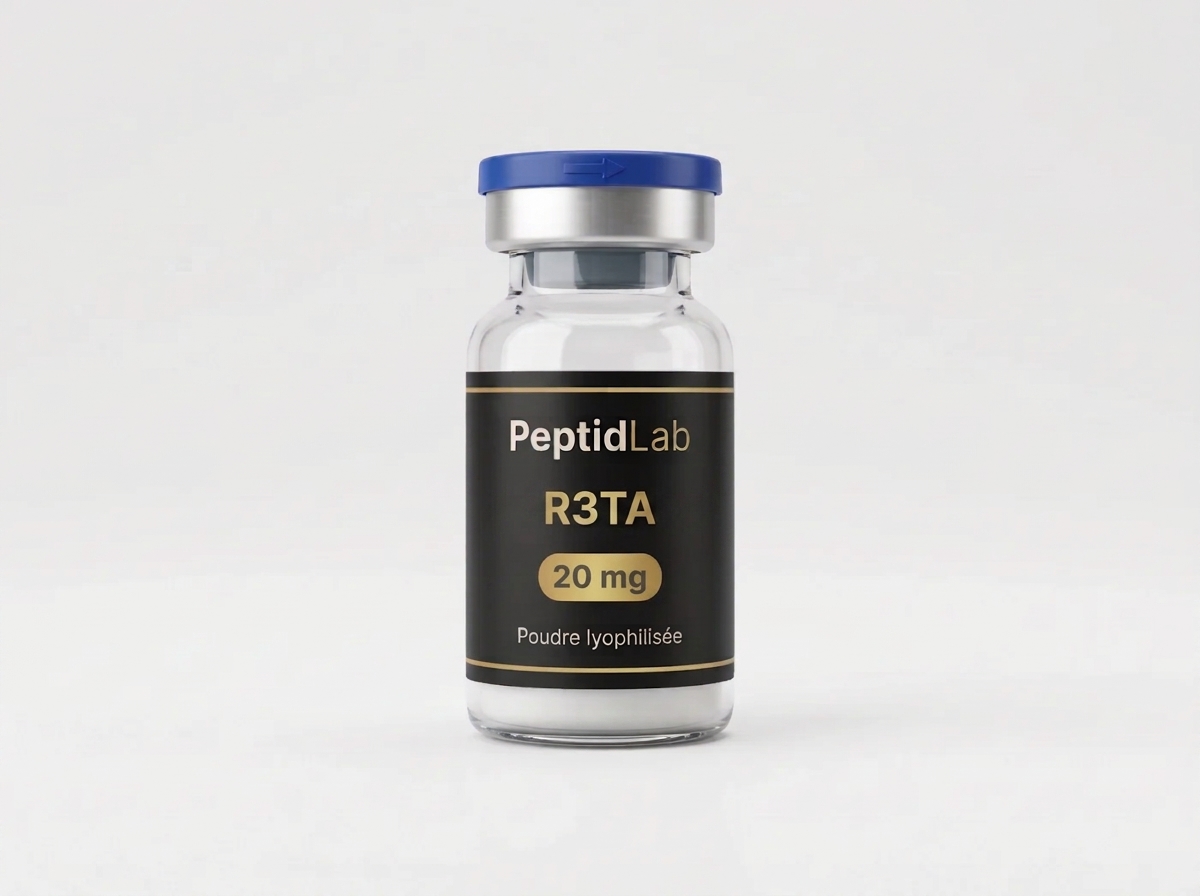
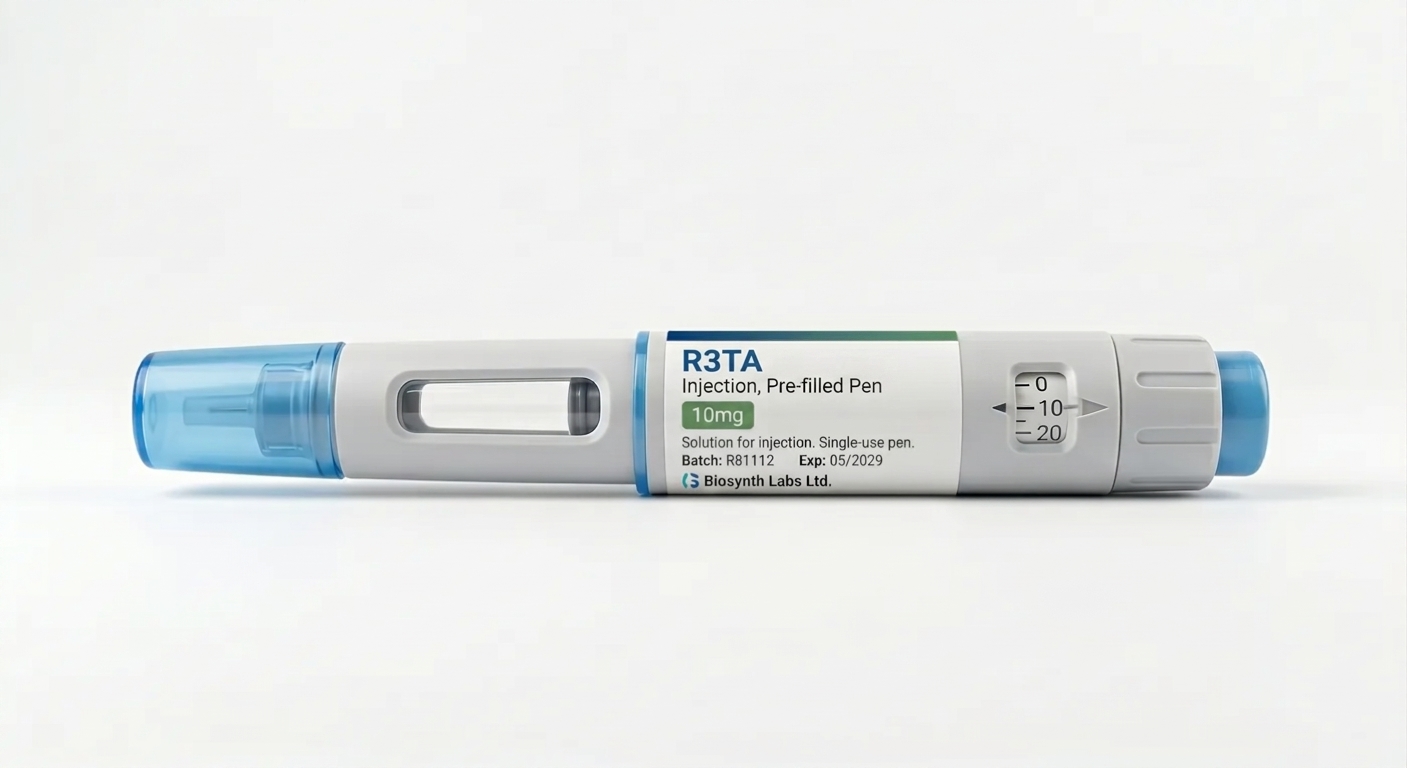
- R3TA (R3) : activates GLP-1, GIP and glucagon receptors.
To understand what distinguishes these three molecules, read our guide R3TA, tirzepatide, semaglutide.
R3TA, a triple agonist
By adding the receptor of glucagon, R3TA combines two axes: the reduction of appetite (GLP-1 and GIP) and the increase in energy expenditure (glucagon). The results of its phase 2 trial were published in 2023 in the New England Journal of Medicine ; it is the subject of a phase 3 trial program.
Other peptides studied in metabolism
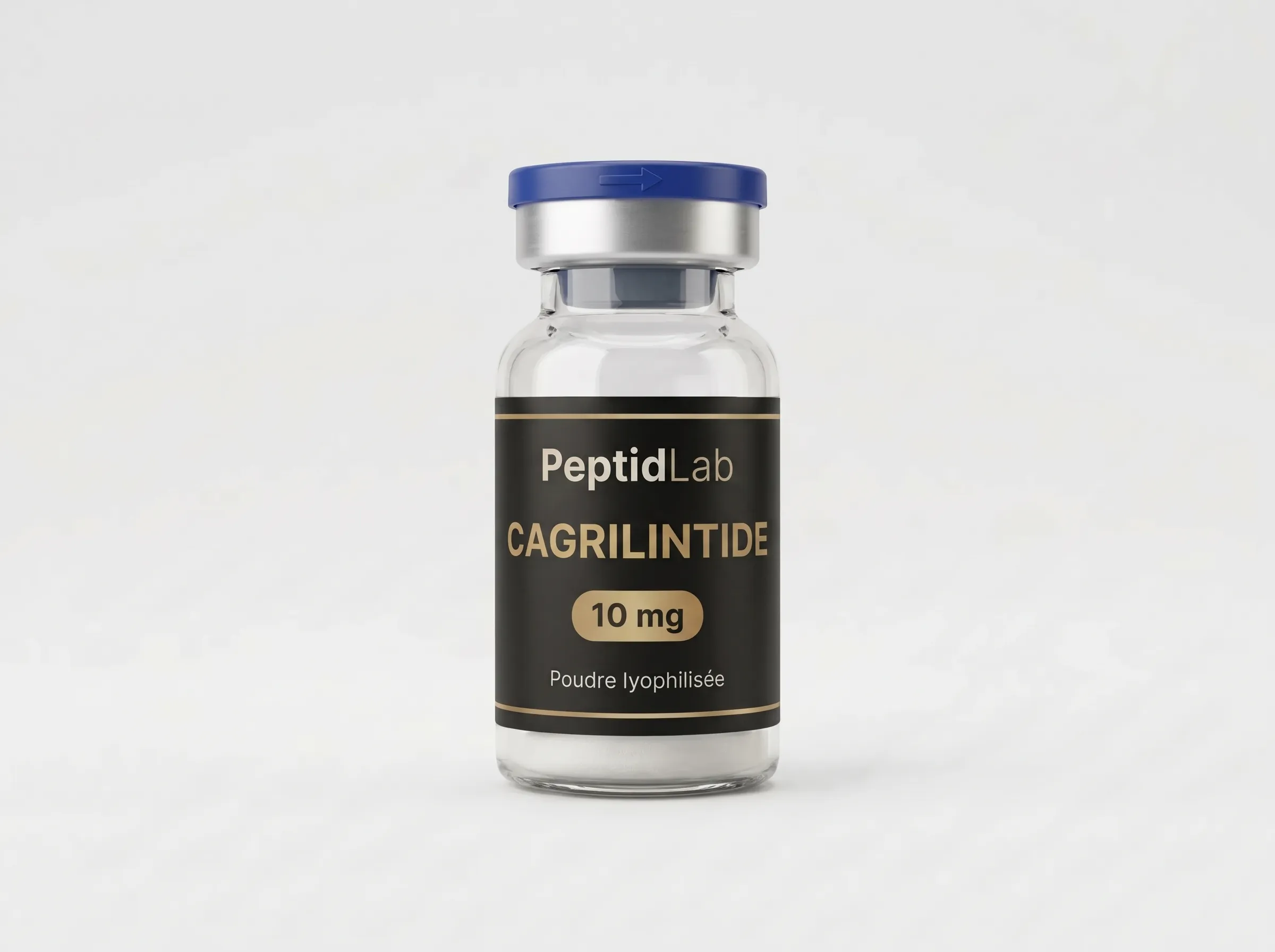
Cagrilintide
The cagrilintide is not an analogue of GLP-1: it mimics amylin, pancreatic satiety hormone. Research often associates it with incretins. Details in the guide cagrilintide.
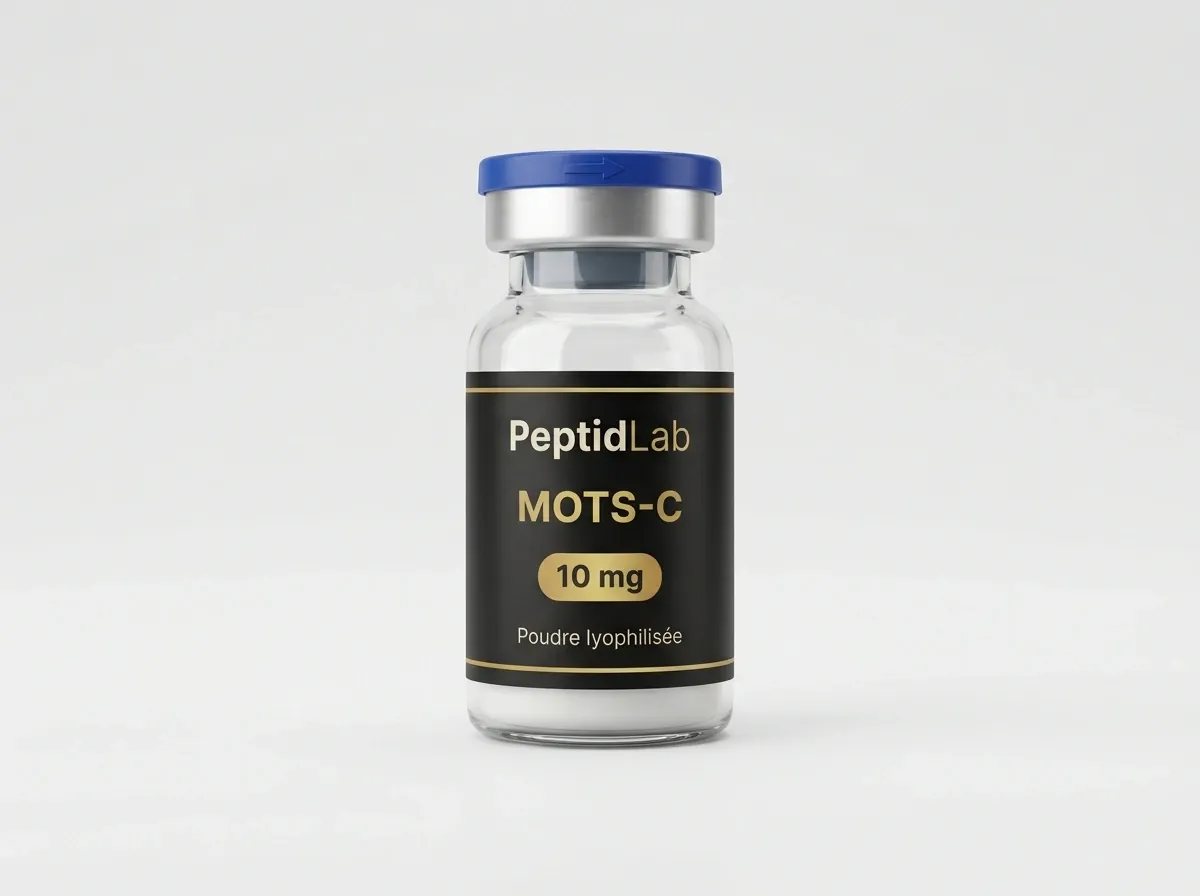
MOTS-c
The MOTS-c is a 16 amino acid peptide encoded by mitochondrial DNA. In animal models, it is studied for its role in energy metabolism and insulin sensitivity. See our guide MOTS-c.
Tesamorelin
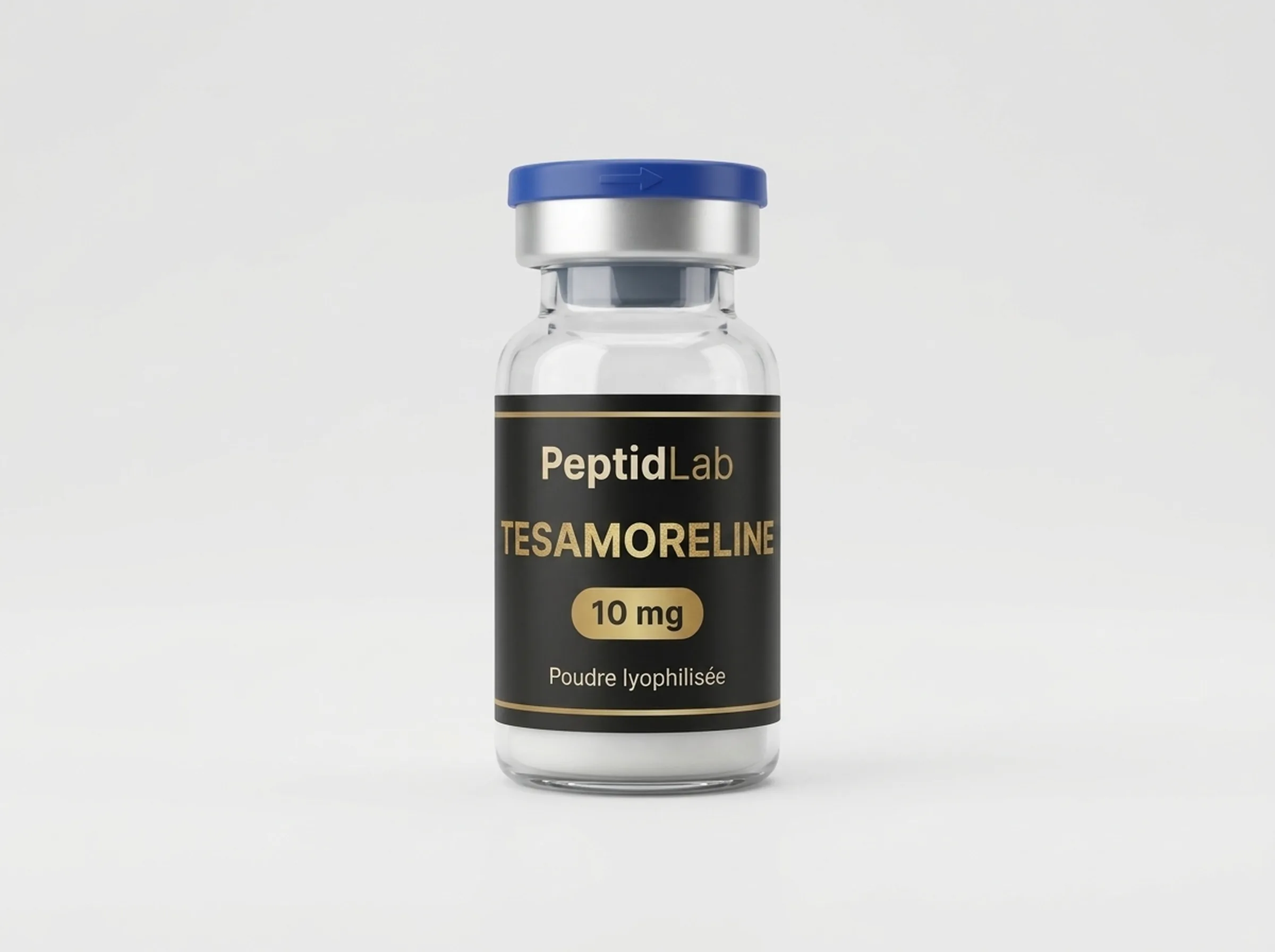
The tesamorelin is an analogue of GHRH, the hormone that triggers the release of growth hormone. It is studied for its action on body composition, in particular visceral fat.
What to keep in mind
- Peptides sold for research are not not medication and are not intended for human consumption.
- Medicines from the GLP-1 family are delivered on medical prescription and followed by a doctor.
- For research, quality is verified: purity by HPLC, identity by mass spectrometry. See our guide for read a certificate of analysis.
Fact sheet
- GLP-1 agonists
- Semaglutide
- GIP et GLP-1
- Tirzepatide
- GIP, GLP-1 and glucagon
- Retatrutide (R3TA)
- Amylin
- Cagrilintide
- Analogue of GHRH
- Tesamorelin
- Mitochondrial peptide
- MOTS-c
What the research says
Summary of published data, written by the PeptidLab team. It describes molecules studied in the laboratory or in clinical trials: nothing here is an indication for use.
2007Phase 3N Engl J Med
Tesamorelin: in 412 patients living with HIV and excess abdominal fat, visceral fat fell by 15% in 26 weeks, versus an increase on placebo.
2015PreclinicalCell Metab
MOTS-c: in mice, the peptide limits weight gain and insulin resistance on a high-fat diet. No human data yet.
2021Phase 3N Engl J Med
Semaglutide 2.4 mg: average weight loss of 14.9% at 68 weeks (STEP 1).
2022Phase 3N Engl J Med
Tirzepatide: up to 20.9% weight loss at 72 weeks (SURMOUNT-1).
2023Phase 2N Engl J Med
Retatrutide: up to 24.2% weight loss at 48 weeks.
These results come from medicines or drug candidates studied in supervised trials. They do not apply to a research reagent.
Sources
Links to PubMed or to the original document. Articles in English.
- Falutz J et al. Metabolic effects of a growth hormone-releasing factor in patients with HIV. N Engl J Med, 2007. PubMed
- Lee C et al. The mitochondrial-derived peptide MOTS-c promotes metabolic homeostasis and reduces obesity and insulin resistance. Cell Metab, 2015. PubMed
- Wilding JPH et al. Once-Weekly Semaglutide in Adults with Overweight or Obesity. N Engl J Med, 2021. PubMed
- Jastreboff AM et al. Tirzepatide Once Weekly for the Treatment of Obesity. N Engl J Med, 2022. PubMed
- Jastreboff AM et al. Triple-Hormone-Receptor Agonist Retatrutide for Obesity — A Phase 2 Trial. N Engl J Med, 2023. PubMed
Updated October 2026.
Frequently asked questions
Which peptide is most studied for weight loss?
Incretin receptor agonists: semaglutide (GLP-1), tirzepatide (GLP-1 and GIP) and, more recently, R3TA (GLP-1, GIP and glucagon), nicknamed “R3”.
Are research peptides drugs?
No. Peptides sold for research are not authorized medicines and are not intended for human consumption. Medicines in the GLP-1 family are available on medical prescription.
What does MOTS-c have to do with metabolism?
MOTS-c is a peptide encoded by mitochondrial DNA, studied in animal models for its role in energy metabolism and insulin sensitivity.
This guide has an informative and scientific purpose. PeptidLab products are intended exclusively for laboratory research and are not intended for human or animal consumption.