The BPC-157 and the TB-500 are often cited together. These are two of the most studied peptides in tissue regeneration, but they have neither the same origin nor the same structure.
BPC-157
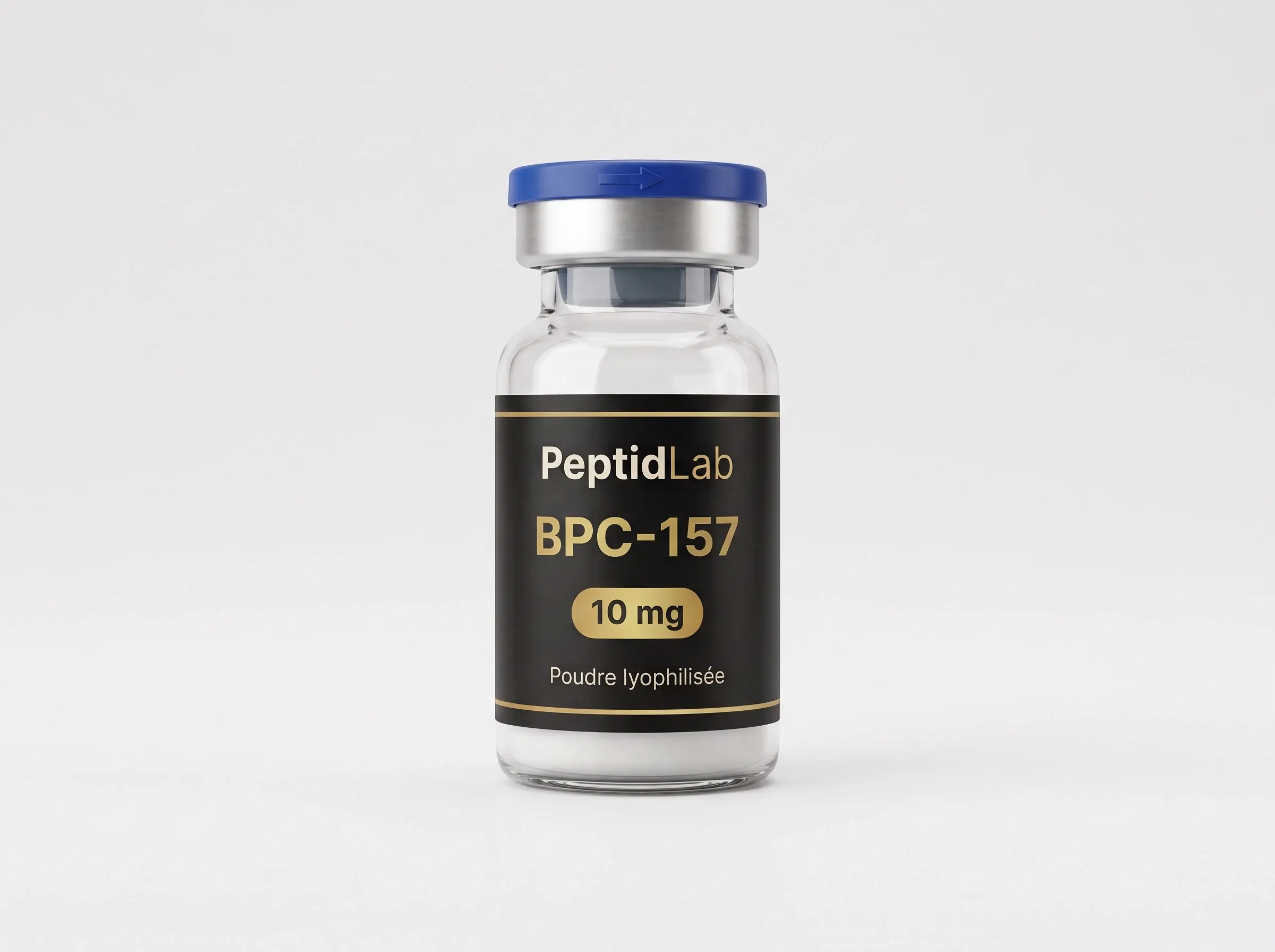
BPC-157 stands for Body Protection Compound 157. It's a pentadecapeptide : a chain of 15 amino acids (sequence GEPPPGKPADDAGLV), the sequence of which comes from a protein present in gastric juice. It was mainly studied by a team from the University of Zagreb, Croatia.
The work, carried out mainly on animal models, focuses on the healing of tendons and ligaments, muscle repair, lesions of the digestive mucosa and the formation of new blood vessels.
The TB-500
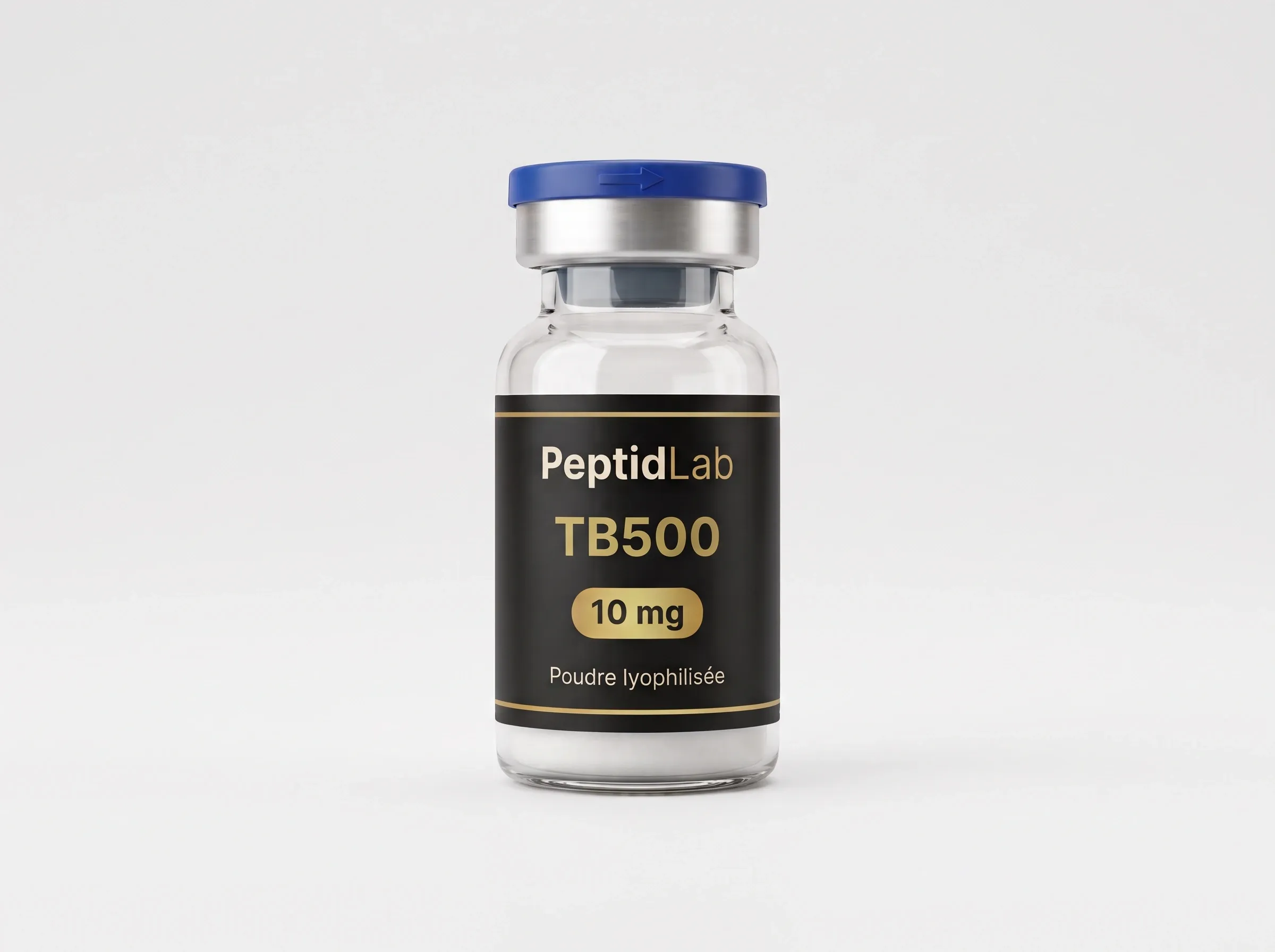
The TB-500 is linked to the thymosin beta-4 (Tβ4), a 43 amino acid protein originally isolated from the thymus and present in most cells. Thymosin beta-4 is one of the main regulators of actin, the protein that structures cells and allows them to move.
According to the suppliers, the name “TB-500” refers to synthetic thymosin beta-4 or a fragment containing its actin binding motif (LKKTETQ). Research focuses on cell migration, tissue repair and angiogenesis.
The differences at a glance
| BPC-157 | TB-500 | |
|---|---|---|
| Origin | Gastric juice protein | Thymosin beta-4 |
| Size | 15 amino acids | Fragment or protein of 43 amino acids |
| Studied axis | Tendons, muscles, digestive lining | Cell migration, tissue repair |
| Data | Mainly preclinical | Mainly preclinical |
Why study them together?
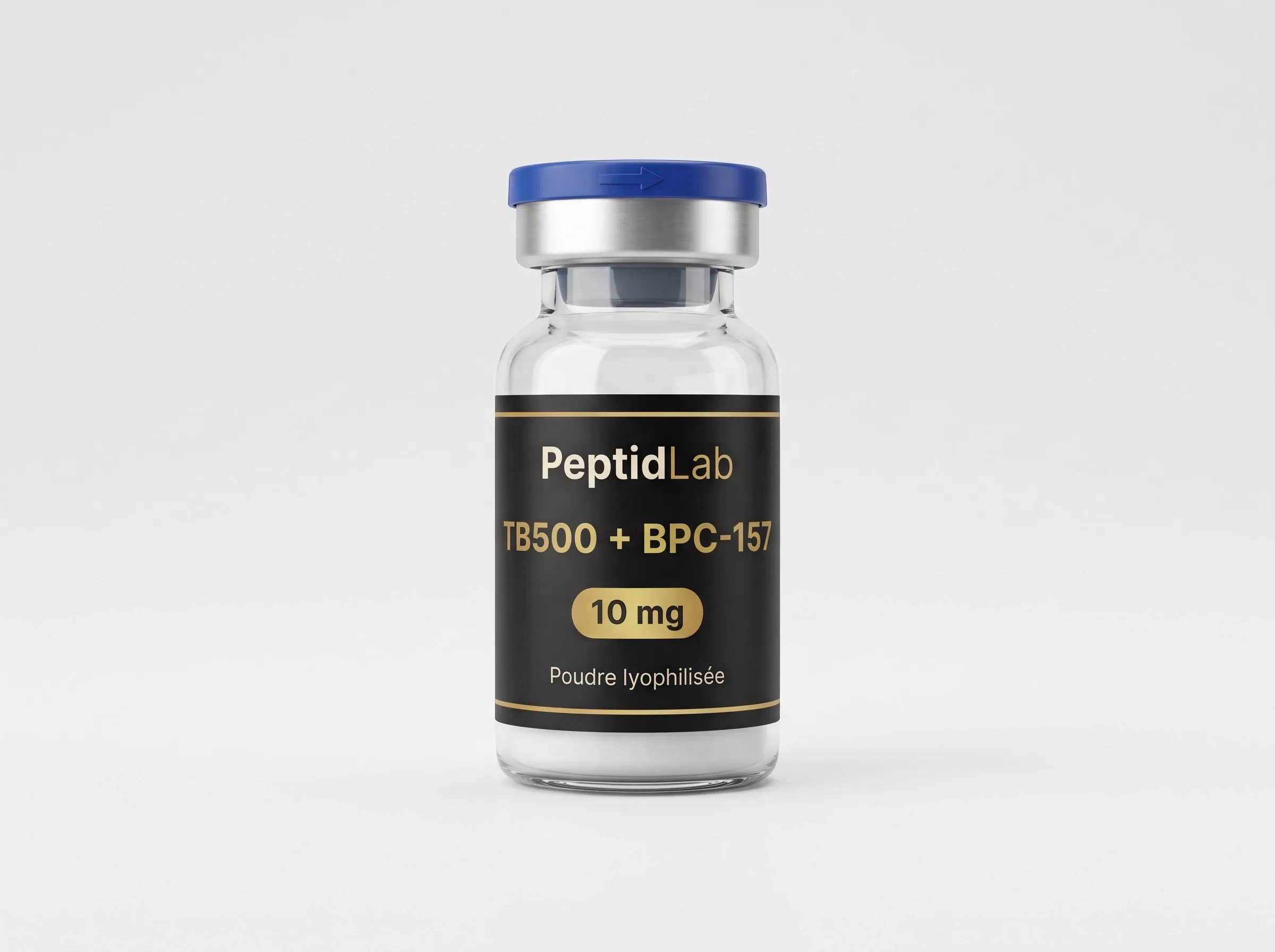
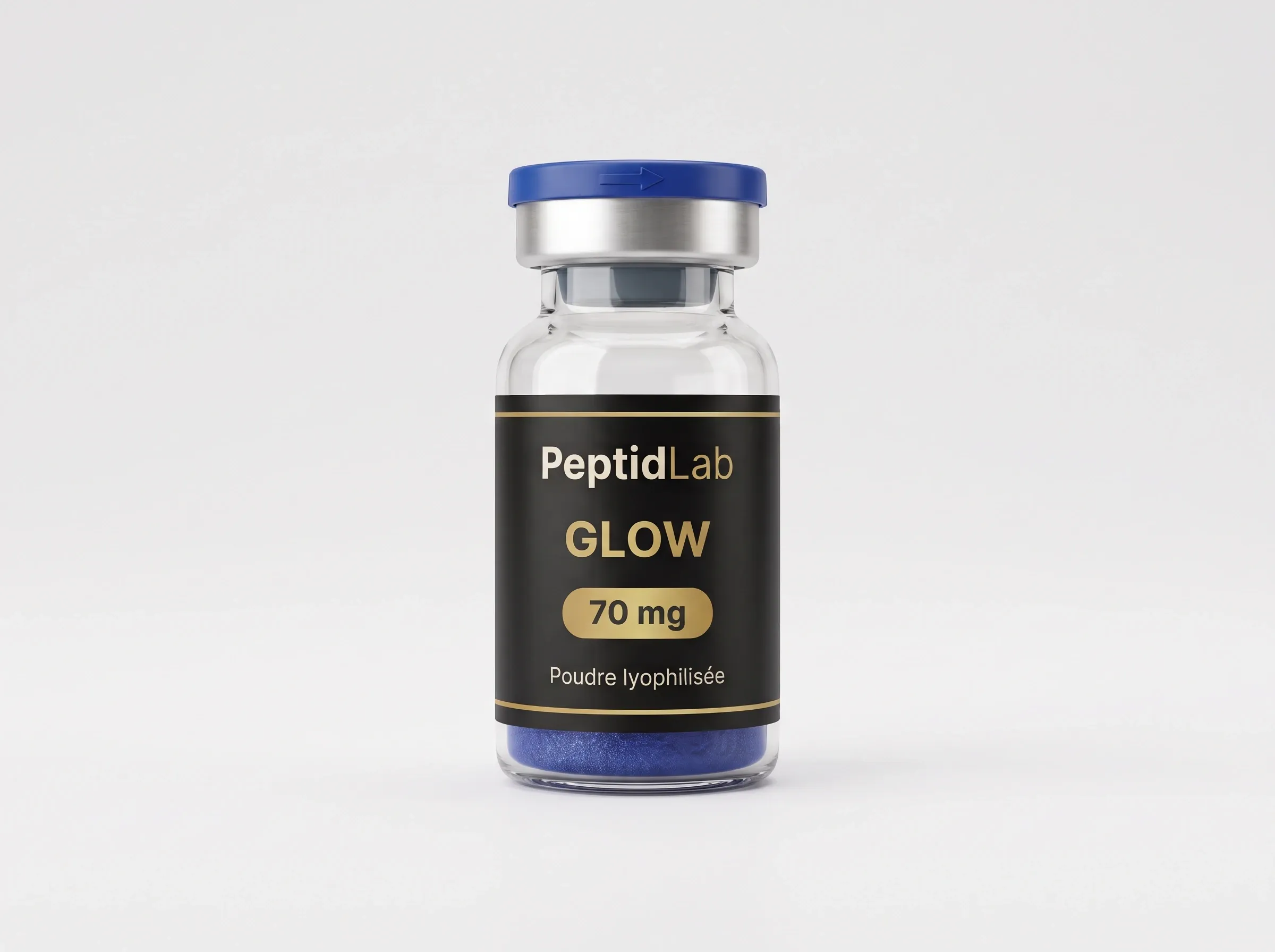
Because they operate through different mechanisms, these two peptides are often associated in research protocols on regeneration. The BPC-157 + TB-500 blend brings them together in a single vial (5 mg of each), and the Glow blend adds some GHK-Cu.
Where does research stand?
Most of the available data comes from animal studies; human studies remain rare. Neither peptide is authorized as a medicine, and both are on the World Anti-Doping Agency's banned list.
Fact sheet
- BPC-157
- 15-amino-acid pentadecapeptide (GEPPPGKPADDAGLV), derived from a gastric juice protein
- Molar mass of BPC-157
- 1 419,5 g/mol
- N° CAS du BPC-157
- 137525-51-0
- Thymosin beta-4
- Natural protein of 43 amino acids, about 4.9 kDa
- TB-500
- Synthetic peptide derived from thymosin beta-4
- Regulatory status
- No marketing authorisation
- Anti-doping status (WADA)
- BPC-157 prohibited (class S0); TB-500 prohibited (class S2)
What the research says
Summary of published data, written by the PeptidLab team. It describes molecules studied in the laboratory or in clinical trials: nothing here is an indication for use.
1999PreclinicalJ Invest Dermatol
Thymosin beta-4 accelerates skin wound healing in rats by promoting cell migration and blood vessel formation.
2004PreclinicalNature
In mice, thymosin beta-4 promotes the survival and migration of heart cells after a heart attack.
2011PreclinicalJ Appl Physiol
BPC-157 promotes the growth, survival and migration of tendon fibroblasts in culture.
2016ReviewCurr Neuropharmacol
Review of the many studies by Sikirić's team on BPC-157, almost all carried out in rodents.
2021Case seriesAltern Ther Health Med
A case series reports reduced knee pain after BPC-157 injection, with no control group: it is not a clinical trial.
Safety: what studies report
- There are no safety data from controlled human trials for either BPC-157 or TB-500.
Sources
Links to PubMed or to the original document. Articles in English.
- Malinda KM et al. Thymosin beta4 accelerates wound healing. J Invest Dermatol, 1999. PubMed
- Bock-Marquette I et al. Thymosin beta4 activates integrin-linked kinase and promotes cardiac cell migration, survival and cardiac repair. Nature, 2004. PubMed
- Chang CH et al. The promoting effect of pentadecapeptide BPC 157 on tendon healing involves tendon outgrowth, cell survival, and cell migration. J Appl Physiol, 2011. PubMed
- Sikiric P et al. Brain-gut Axis and Pentadecapeptide BPC 157: Theoretical and Practical Implications. Curr Neuropharmacol, 2016. PubMed
- Lee E, Padgett B. Intra-Articular Injection of BPC 157 for Multiple Types of Knee Pain. Altern Ther Health Med, 2021. PubMed
Updated October 2026.
Frequently asked questions
Are BPC-157 and TB-500 drugs?
No. Neither of them has a marketing authorization: they are research peptides.
Are BPC-157 and TB-500 banned in sport?
Yes. Both are on the World Anti-Doping Agency's banned list.
Is there a format that combines the two?
Yes: the BPC-157 + TB-500 blend (5 mg of each) and the Glow blend, which combines BPC-157 (10 mg), TB-500 (10 mg) and GHK-Cu (50 mg).
This guide has an informative and scientific purpose. PeptidLab products are intended exclusively for laboratory research and are not intended for human or animal consumption.